Search

GEOGRAPHY EDUCATION

Supporting geography educators everywhere with current digital resources.

Tag

planning

The Most Popular Running Routes in the 20 Biggest U.S. Metro Areas

These are the top running routes in the 20 biggest metro areas in the United States, according to Strava data.

Source: www.runnersworld.com

I’m a big advocate of running/mapping apps for my own personal training (I use Map My Run and Strava).  These maps were created with raw data from Strava to show the most popular urban runs in the US.   Prominent on this list are urban parks, scenic waterfronts, and retrofitted railways…in other words, successful urban planning that has help to foster a strong sense of place.


Tags: urban, place, neighborhood, planning, urbanism.

How Jane Jacobs beat Robert Moses to be the ultimate placemaker

“Jane Jacobs lacked formal training in city planning but became an urban visionary who promoted dense, mixed-use neighborhoods where people interacted on the streets. She also became the nemesis of New York master builder Robert Moses. On our inaugural episode, we’ll explore Jacobs’ legacy and how the ideas and ideals of ‘St. Jane’ hold up today.”

Source: www.slate.com

How do you create a sense of place?  How can you make a neighborhood more vibrant and meaningful to the residents?  These are questions that central to city planners, community organizers, activists, home owners, renters, business owners, and a wide range of local stakeholders.  The Placemakers podcast has many episodes on these topics worth listening to, starting with the one about Jane Jacobs, a leading urbanist who was a proponent of “The Cheerful Hurly-Burly” of the “zoomed in” city life who fought against Robert Moses’ more sterile “zoomed out” spaces of transportation flows.  In another podcast titled “the quest for the perfect place,” the series explores new urbanism and the ideas that have shaped the movement.


Tagsplace, neighborhood, urban, planning, urbanism, podcastscale.

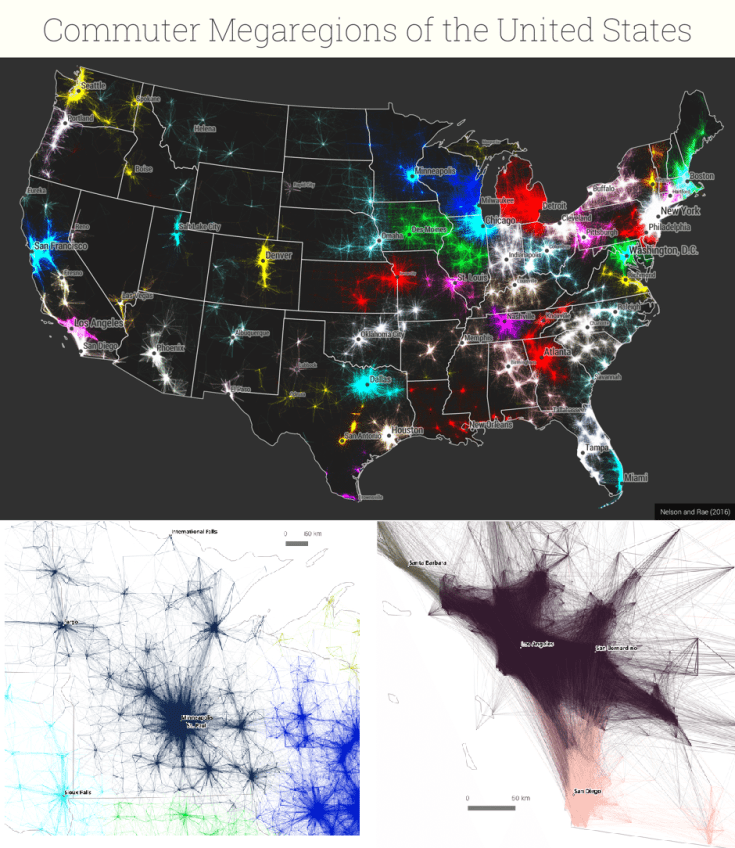
America’s ‘Megaregions’ using Commuter Data

New maps use math to define the amorphous term.

Source: www.citylab.com

By now I’m sure many of you have seen some iteration of this research and data visualization circulating through social media outlets (you can see the article from City Lab, Atlas Obscura or an urban planning program).  We use terms like the greater metropolitan area to express the idea that areas beyond the city boundaries and even beyond the metropolitan statistical areas are linked with cities.  These ‘mega-regions’ are in part the hinterlands of a city, a functional region where the cities act as hubs of economic regions.   

Tags: regions, urban, transportationeconomicvisualization, mapping, USA, planning.

After a Tornado, Greensburg, Kansas, Rebuilt Green. Was It Worth It?

A decade ago, a tornado wiped out the small town of Greensburg, Kansas. But the town decided to rebuild—as a totally green community. Ten years out, has the green rebuilding program been successful, and is this a model that might be used by other towns? Or is going green harder than it seems?

Source: www.slate.com

If you haven’t discovered the podcast “Placemakers” you are missing out.  The entire series centers around the challenges that confront different types of communities and the opportunities to improve the way things work. They present “stories about the spaces we inhabit and the people who shape them. Join us as we crisscross the country, introducing you to real people in real communities—people who make a difference in how we travel, work, and live. You’ll never look at your community the same way again.”  And yes, that sounds like a whole lot of applied geography to me.   


Tagsplace, tornado, weather and climate, planning, podcast.

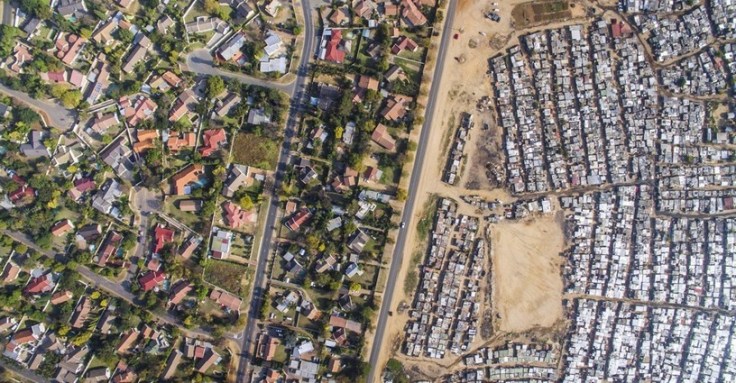
Aerial Photos Show how Apartheid Still Shapes South African Cities

An American used drones to capture the color lines still stark in South African cities.

Source: www.citylab.com

In some respects this isn’t surprising, but it is still striking to see how stark the differences are.  One generation of political change does not reverse generations of systemic racism that have had economic, cultural, and political impacts.  Many of the urban planning decisions were based on apartheid, and that historical legacy is still embedded landscape.


Tags: South Africa, images, Africarace, ethnicityneighborhood, urban, planning, images, remote sensing.

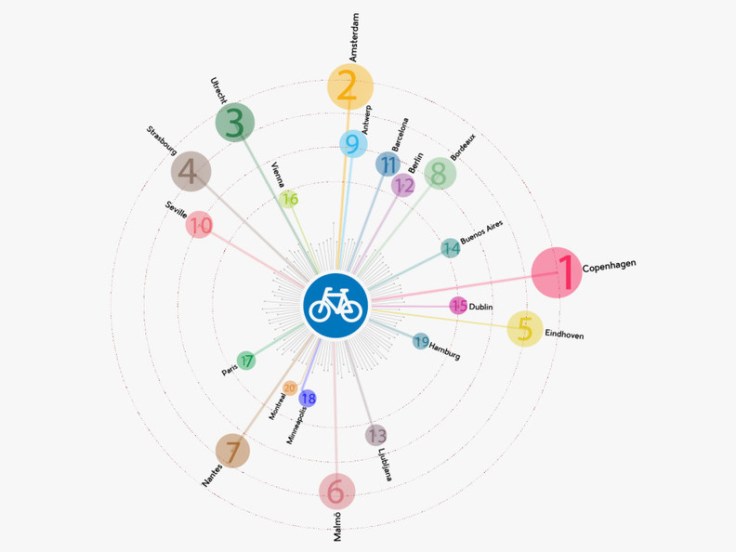
The 20 Most Bike-Friendly Cities on the Planet

Investment in bicycle infrastructure is a modern and intelligent move. Many cities get this. Many don’t.


Tags: urbanplace, transportationplanning, urbanism, architecture.

Source: www.wired.com

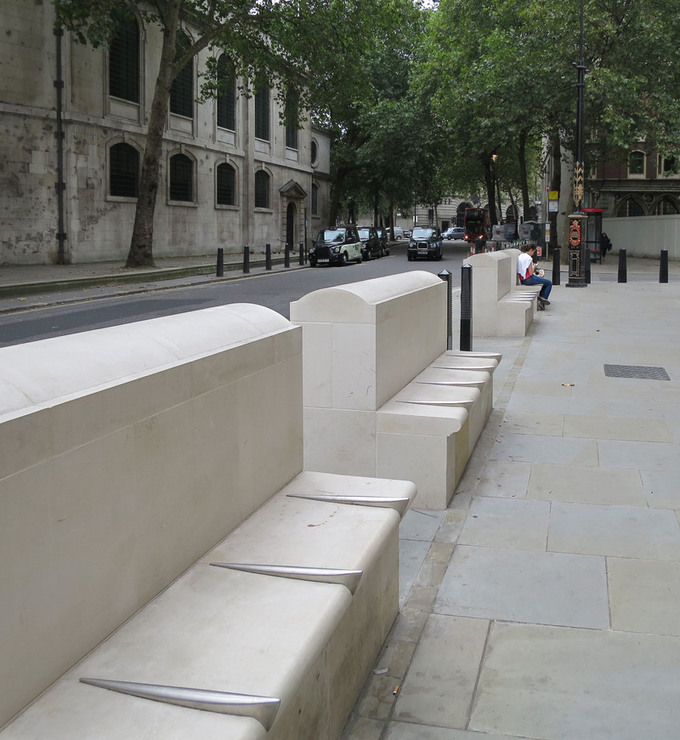
The Subtle Design Features That Make Cities Feel More Hostile

Think your city doesn’t like you? You’re right.

Source: www.atlasobscura.com

Geography explores more than just what countries control a certain territory and what landforms are there.  Geography explores the spatial manifestations of power and how place is crafted to fit a particular vision.  Homeless people are essentially always ‘out of place.’  These articles from the Society Pages, Atlas Obscura, the Atlantic and this one from the Guardian share similar things: that urban planners actively design places that will discourage loitering, skate boarding, and homelessness, which are all undesirable to local businesses.  This gallery shows various defensive architectural tactics to make certain people feel ‘out of place.’  Just to show that not all urban designs are anti-homeless, this bench is one that is designed to help the homeless (and here is an ingenious plan to curb public urination).  


Tags: urbanplanning, architecture, landscape, place, poverty.

Bolivian Commuters Soar Through The Sky

“The world’s biggest urban gondola system, known as Mi Teleférico, opened in La Paz, Bolivia, in May 2014. The 6-mile-long system is an engineering feat.”


Tags: transportation, South America, Bolivia, urban, planningarchitecture.

Source: www.youtube.com

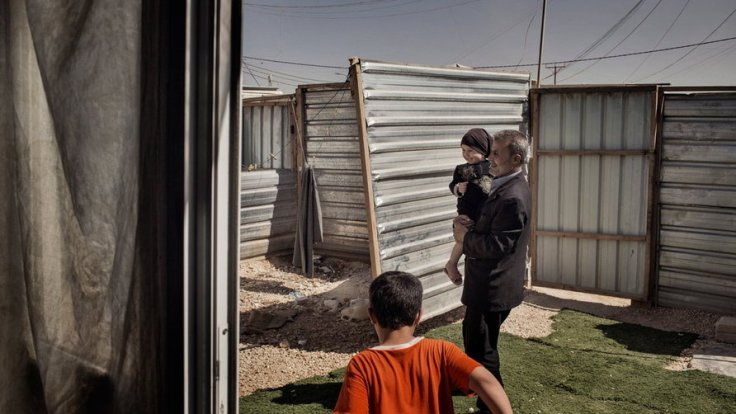
Refugee Camp for Syrians in Jordan Evolves as a Do-It-Yourself City

As the sprawling Zaatari camp evolves into an informal city — with an economy and even gentrification — aid workers say camps can be potential urban incubators that benefit host countries like Jordan.

Source: www.nytimes.com

This is an intriguing article that explores the difficulties of forced migrations that arise from civil war, but it also looks at city planning as refugee camps are established to make homes for the displaced.  These camps have become into de-facto cities. The maps, videos and photographs embedded in the article show the rapid development of these insta-cities which organically have evolved to fit the needs of incoming refugees.  Size not investing in permanent infrastructure has some serious social, sanitation and financial cost, there are some efforts to add structure to the chaos, to formalize the informal.  Truly this is a fascinating case study of in urban geography as we are increasingly living on what Mike Davis refers to as a “Planet of Slums.”  


Tags: refugees, migration, conflict, political, warsquatter, urban, planning, density, urbanism, unit 7 cities. 

Blog at WordPress.com.

Up ↑