Search

GEOGRAPHY EDUCATION

Supporting geography educators everywhere with current digital resources.

Tag

podcast

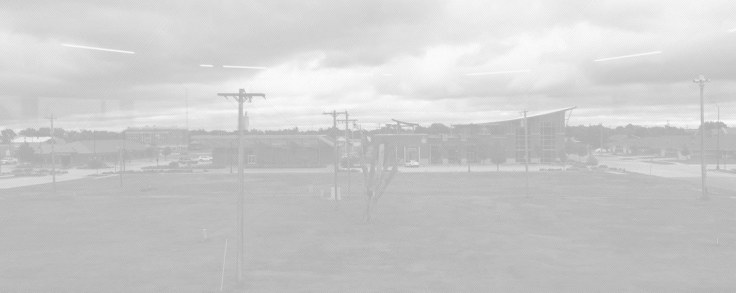
After a Tornado, Greensburg, Kansas, Rebuilt Green. Was It Worth It?

A decade ago, a tornado wiped out the small town of Greensburg, Kansas. But the town decided to rebuild—as a totally green community. Ten years out, has the green rebuilding program been successful, and is this a model that might be used by other towns? Or is going green harder than it seems?

Source: www.slate.com

If you haven’t discovered the podcast “Placemakers” you are missing out.  The entire series centers around the challenges that confront different types of communities and the opportunities to improve the way things work. They present “stories about the spaces we inhabit and the people who shape them. Join us as we crisscross the country, introducing you to real people in real communities—people who make a difference in how we travel, work, and live. You’ll never look at your community the same way again.”  And yes, that sounds like a whole lot of applied geography to me.   


Tagsplace, tornado, weather and climate, planning, podcast.

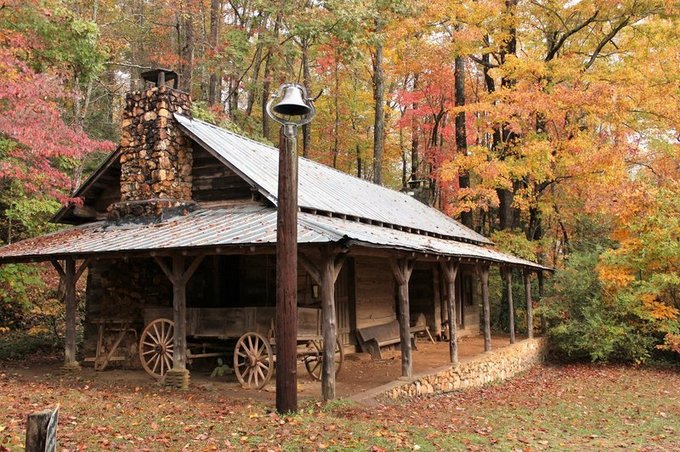
In The Mountains Of Georgia, Foxfire Students Keep Appalachian Culture Alive

For 50 years, high school students in Rabun County have chronicled their region’s disappearing traditions and mountain people, from blacksmiths to moonshiners, in publications and a living museum.

Source: www.npr.org

This is an excellent, rich example of preserving old elements of rural, folk cultures that are rapidly disappearing.  The project ties local students to the region to appreciate past more and creates a remarkable archive for the future. 


Tagsculture, historicalrural, folk culturesthe Southpodcast, unit 3 culture.

Creamed, Canned And Frozen: How The Great Depression Revamped U.S. Diets

During the Depression, cheap, nutritious and filling food was prioritized — often at the expense of taste. Jane Ziegelman and Andy Coe, authors of A Square Meal, discuss food trends of the time.

Source: www.npr.org

Peanut butter and school lunches became fixtures of American culture during the Depression.  On the flip side, our modern preference for freshness is a reaction against the Depression’s obsession to find ways to preserve food for longer amounts of time.  


Tags: foodeconomicfood distribution, historical, podcast.

How To Get A Country To Trust Its Banks

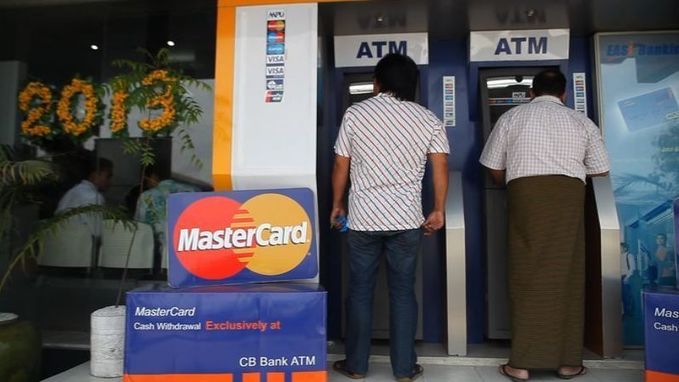
“It’s something you can see on every block in most major cities. You probably see one every day and never give give it a second thought. But in Yangon, Myanmar in 2013, an ATM was a small miracle. For decades, Myanmar was cut off from the rest of the world. There were international sanctions, and no one from the U.S. or Europe did business there.”

Source: www.npr.org

We often assume that one form of technology, a system, institute should work equally well where ever it is.  But the nuances of cultural geography mediate how societies interact with technological innovations, and as demonstrated in this Planet Money podcast, “People in Myanmar (Burma) were reluctant to use ATMs because they didn’t trust the banks. They weren’t sure that the machines would actually give them their money.”  


Tags: Burma, Southeast Asia, poverty, development, economicpodcast.

The Arctic Suicides: It’s Not The Dark That Kills You

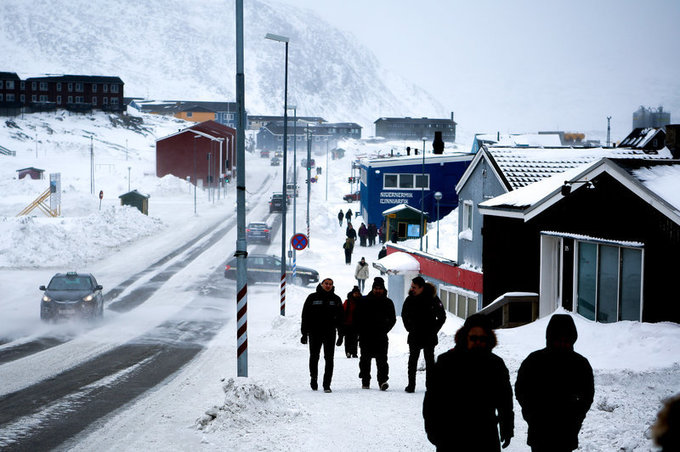
Greenland has the world’s highest suicide rate. And teen boys are at the highest risk.


Like native people all around the Arctic — and all over the world — Greenlanders were seeing the deadly effects of rapid modernization and unprecedented cultural interference. American Indians and Alaska Natives (many of whom share Inuit roots with Greenlanders) had already seen many of their communities buckle under the same pressures.

Source: www.npr.org

This is an incredibly tragic story; if I could add one word to the sub-title, it would read, “It’s not JUST the dark the kills you.”  I’m not an environmental determinist, but we can’t pretend that the climate/darkness don’t play some role in Greenland having 6x the suicide rates of the United States.  See also this article/photo gallery about a similar suicide problem in the indigenous far north of Canada.    


Tags: Greenland, Arctic, genderpodcast, indigenous.

2015 Saw a Decrease in Global Religious Freedom

The global refugee crisis, political strife and economic dislocation all contributed to a worldwide deterioration of religious freedom in 2015 and an increase in societal intolerance, according to the U.S. Commission on International Religious Freedom.”

Source: www.npr.org

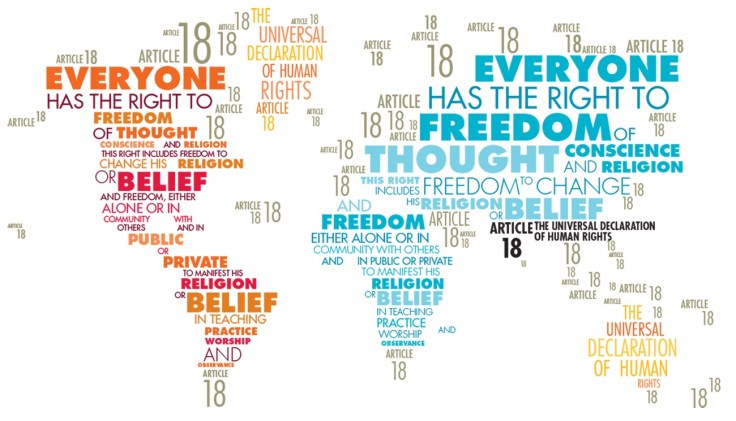
This is one of the sad results of the many global conflicts today and increase in reactionary political movements that scapegoat religious minorities.  The image above is a map/wordle of the 18th article of the Universal Declaration of Human Rights which states: “Everyone has the right to freedom of thought, conscience and religion; this right includes freedom to change his religion or belief, and freedom, either alone or in community with others and in public or private, to manifest his religion or belief in teaching, practice, worship and observance.”  


Tags: religion, ChristianityIslamBuddhismHinduismJudaism, podcastconflict, refugees.

The Origins Of The Shiite-Sunni Split

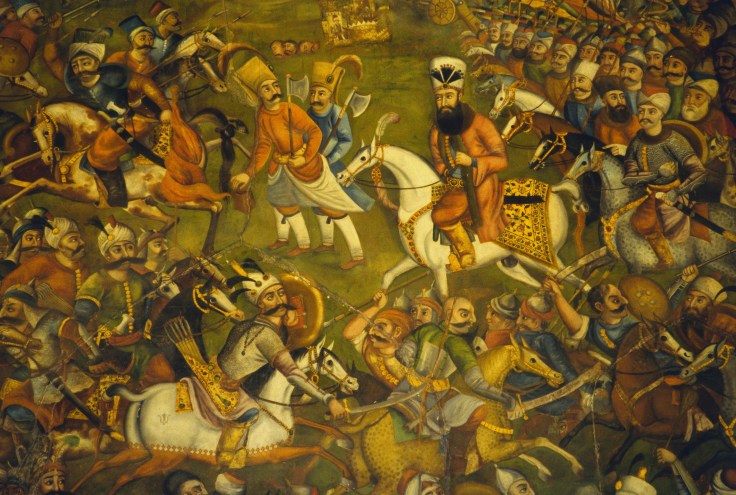
The division between Islam’s Shiite minority and the Sunni majority is deepening across the Middle East. The split occurred soon after the death of the Prophet Muhammad, nearly 1,400 years ago.

Source: www.npr.org

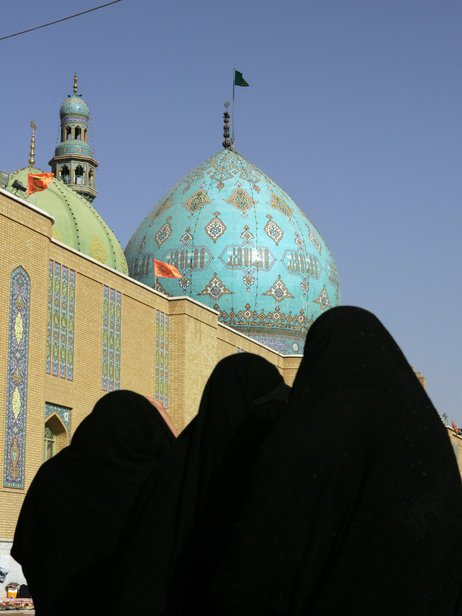
The ghosts of religious wars past are rattling in Iraq; The geography of the Sunni-Shiite division is incredibly important for a good understanding of world regional geography as well as modern geopolitics. This NPR podcast examines the  historical and religious aspects of this split to then analyze the political and cultural implications in the Middle East today.  


Tags: MiddleEast, Islamreligionhistorical, culturepodcast.

shia-sunni-split2_vert-c54281df26243133666cc54f16e76b6f72cb468f-s3-c85


Create a free website or blog at WordPress.com.

Up ↑