Search

GEOGRAPHY EDUCATION

Supporting geography educators everywhere with current digital resources.

Tag

regions

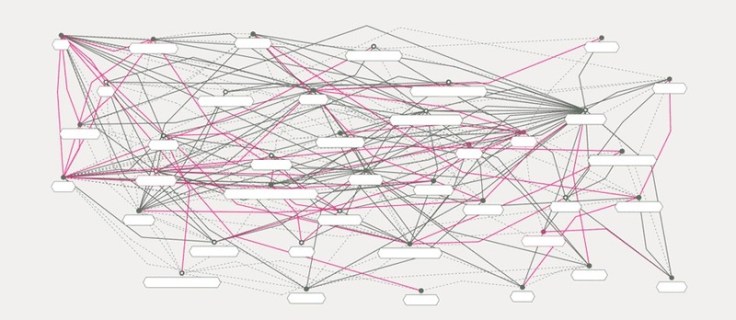
Who Likes Whom in The Middle East? Key players & Notable relationships

An interactive network visualisation of key players & notable relationships in the Middle East region. Continually updated. Awesome looking.

Source: www.informationisbeautiful.net

News flash:the Middle East is complicated.  In a region where the enemy of an enemy can be your friend, keeping track of local, regional, and global interests can be a staggering proposition.  This flow chart is both incredibly complex, but also aids the user in making sense of the relationships that help to define the region.  


Tags: MiddleEast, conflict, political, geopoliticsregions.

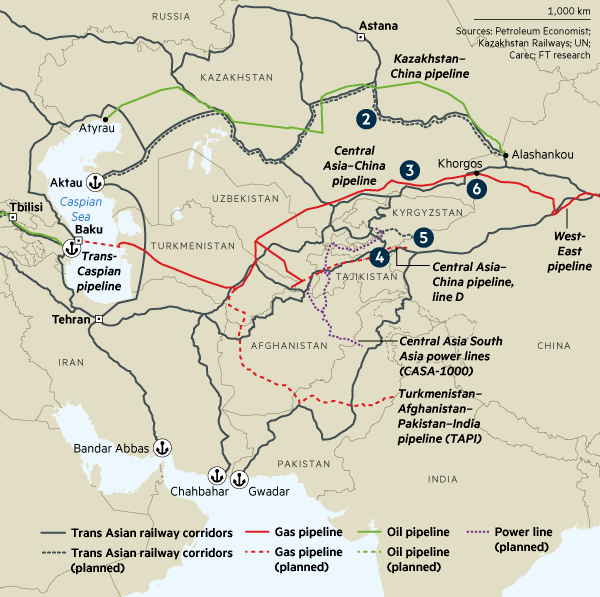
India watches anxiously as Chinese influence grows

A $46bn economic corridor through disputed territories in Kashmir is causing most concern

Source: www.ft.com

The Indian government doesn’t want to seem threatened by the fact that China is paying for better transportation infrastructure that is essentially in their backyard.  India’s neighbors are excited for the potential economic growth that this can bring, but weary of China’s added clout and power throughout Asia.  As Parag Khanna argues is his new book Connectography, infrastructure and economic linkages will become increasingly more important to geopolitics and global economics; within that lens, China is certainly making a power move here. 


Tags: regions, transportationeconomic.

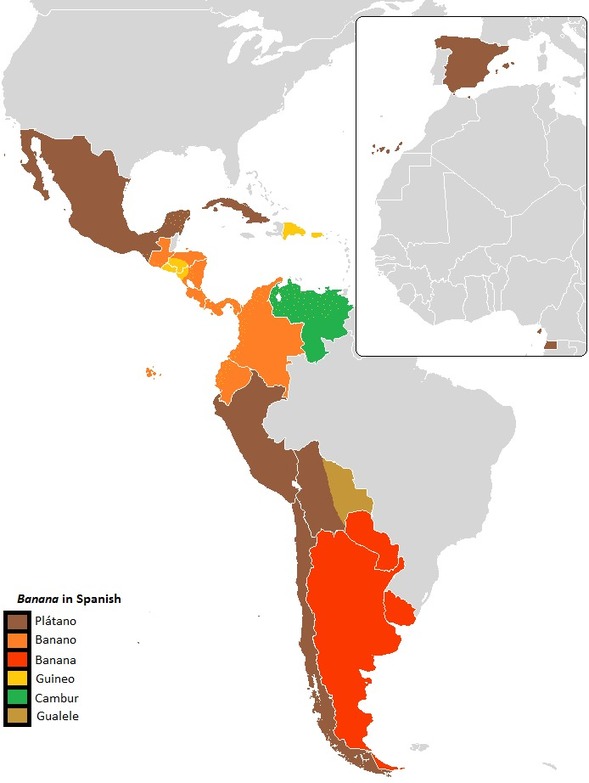
How to Say ‘Banana’ in Spanish

Source: i.imgur.com

I’ve lived in both the plátano and banano sub-regions of the Spanish-speaking realm and this discrepancy was one I always found curious (likewise, peanut butter is called crema de cacahuate in Mexico, but mantequilla de maní in Costa Rica). I’ve had many humorous encounters with friends from throughout the Spanish-speaking world when words that mean one thing in a particular country have VERY different connotations in another.


Questions to Ponder: Why do languages have different vocabularies in distinct places?  Why makes a language especially prone to a varied set of regionalized terms?


Tags: language, colonialismdiffusion, culture, mapping, regions.

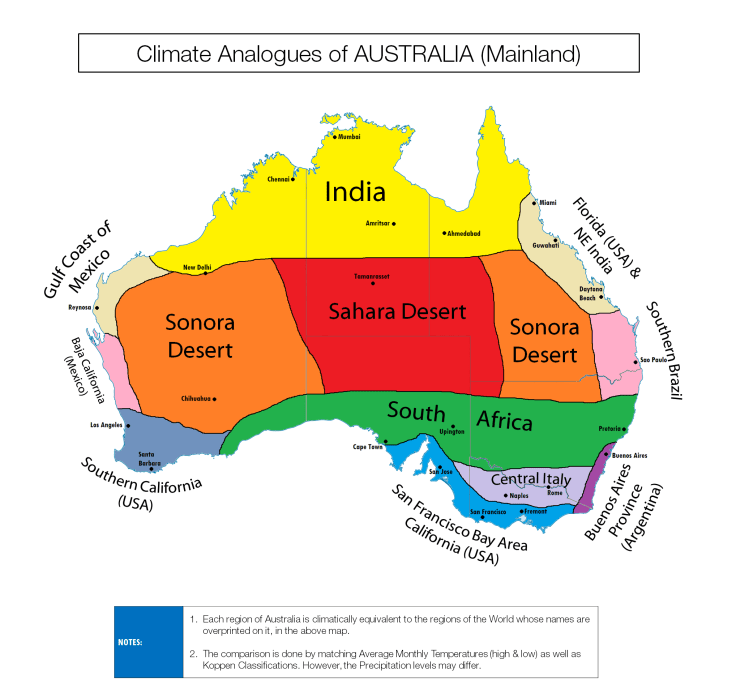
Climate Comparison Maps

Triton1982 makes maps by comparing each of the city’s highest and lowest average temperatures against the Koppen classification system.”

Source: www.triplem.com.au

Many maps are shared on Reddit, and this series of maps help make some far off places easier to relate to.  I think these cross-regional comparisons can also help students also see that countries can have a great degree of internal variety.  


Tags: Australia, Oceania, mapping, visualization 

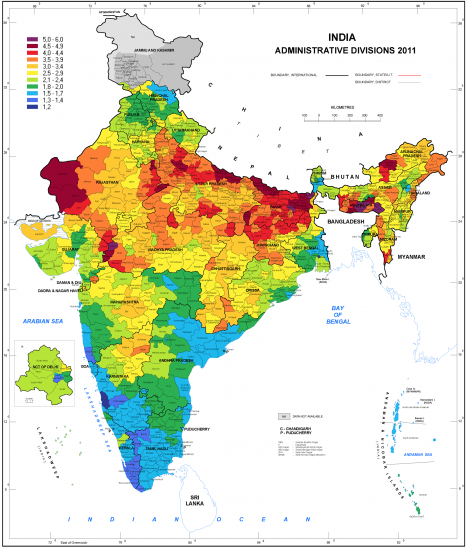
Fertility Rates-Differences Within Countries

pastedImage3593-467x550

“An important aspect about country level data of fertility to keep in mind is that there can be considerable heterogeneity within countries, which are hidden in the mean fertility which were discussed in this entry. The mean Total Fertility Rate for India in 2010 was 2.8 (UN Data): But this average hides the fact that the fertility in many Southern Indian regions was below 1.5 (which is similar to the mean fertility in many European countries), while the fertility in Northern India was still higher than 5 children per woman (which is as high as the mean of the African countries with the highest fertility).”

Source: ourworldindata.org

This is a stunning example of uneven development and regional differences within countries.  Too often we discuss countries as if the situation inside the borders of one country is the same throughout it, even if the geographic contexts can be wildly different. 

Questions to Ponder: Why are the fertility rates in so different in northern and southern India?  How does this regional imbalance impact the country?  What are other examples of major differences within a country? 

Tags: regions, population, demographic transition model, declining populationmodelsunit 2 population, India, South Asia. 

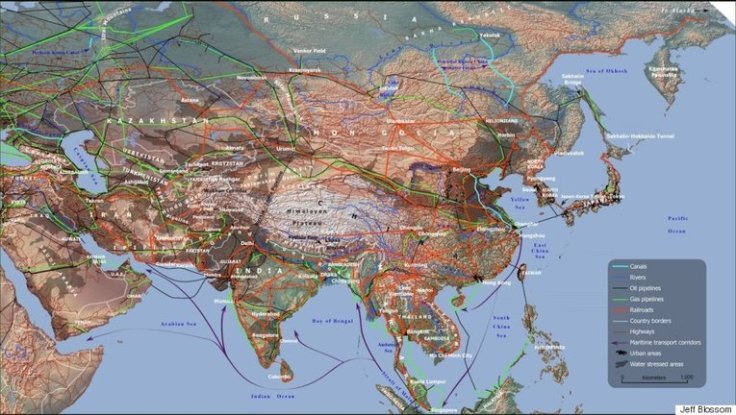
These Maps Show How Vast New Infrastructure Is Bringing the World Together

“If you want to understand the world of tomorrow, why not just look at a good map? For my (Parag Khanna) new book, Connectography, I researched every single significant cross-border infrastructure project linking countries together on every continent. I worked with the world’s leading cartography labs to literally map out what the future actually — physically — will look like.

It turns out that what most defines the emerging world is not fragmentation of countries but integration within regions. The same world that appears to be falling apart is actually coming together in much more concrete ways than today’s political maps suggest. Major world regions are forging dense infrastructural connectivity and reorienting their relations around supply chains rather than borders.”


Tags: regionsmap.

Source: www.huffingtonpost.com

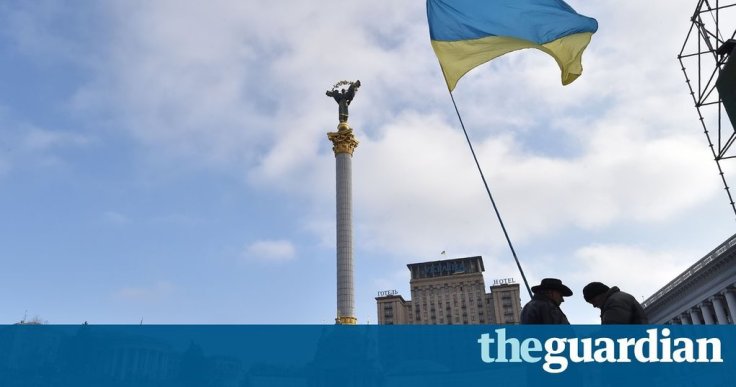
Why Ukraine needs Russia more than ever

As the country risks becoming a failed state, Kiev must recognise that economic survival depends on Moscow not the west

Source: www.theguardian.com

This is a politically inflammatory title for an op-ed article, given the recent Russia’s seizure of the Crimean Peninsula from Ukraine.  Regions and economic regional linkages form and continually reform.  Our most likely business partners aren’t necessarily our best friends.      


Tags: op-ed, economic, regions, UkraineRussia.  

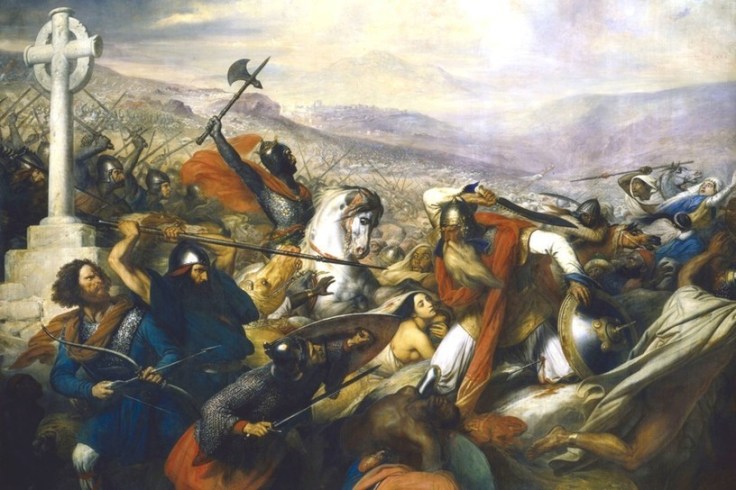
How Islam Created Europe

“For centuries in early and middle antiquity, Europe meant the world surrounding the Mediterranean. It included North Africa, but the swift advance of Islam across North Africa in the seventh and eighth centuries virtually extinguished Christianity there, thus severing the Mediterranean region into two civilizational halves, with the ‘Middle Sea’ a hard border between them rather than a unifying force. Islam is now helping to undo what it once helped to create. A classical geography is organically reasserting itself, as the forces of terrorism and human migration reunite the Mediterranean Basin, including North Africa and the Levant, with Europe.” 

Source: www.theatlantic.com

The title is a bit overstated (aren’t they all in this click-bait driven media age?), but the article shows nicely how regions are cultural constructs that change over time. 


Tags: op-edregions, Europe, historical, Islamreligionhistorical, culture, Christianity.

Place and Self

//cdn.embedly.com/widgets/media.html?src=https%3A%2F%2Fwww.behance.net%2Fgallery%2F13473489%2FHoliday-Malcolm-Gladwell%3Fiframe%3D1&wmode=opaque&url=https%3A%2F%2Fwww.behance.net%2Fgallery%2F13473489%2FHoliday-Malcolm-Gladwell&image=https%3A%2F%2Fmir-s3-cdn-cf.behance.net%2Fprojects%2F404%2Fb2e25e13473489.5510c13e774f3.jpg&key=359ed8ab27db4f02a128049b1f89d6a1&type=text%2Fhtml&scroll=auto&schema=behance

“We are Dangerdust. We love chalk. We started this project at the beginning of our senior year in college. It all began because we wanted to share a quote that had inspired us, in the hope that it would inspire others. We sneaked into school that weekend to illustrate the quote on an abandoned chalkboard. After that one time we were hooked, and Dangerdust was created.”

Source: www.behance.net

We are sometimes so obsessively focused on the self in our society, that we discount the communal and the spatial impacts in describing who we are.  So much of our ‘selves’ that we prize as so highly individualized and unique are a beautiful product of all the places and people who have influenced and shaped our lives. 

Tagsregions, images, art

Create a free website or blog at WordPress.com.

Up ↑