
As Ibiza and other islands are saying no to tourists coming to party, it’s becoming increasingly clear that expectations on travellers in the world’s most popular destinations are changing. SOURCES: BBC-The World’s Revolt against ‘bad tourists’ and the Guardian-Be a better tourist! 28 ways to have a fantastic holiday without infuriating the locals
Tourism is a perfect geographic topic; the allure of exotic places, different cultural activities, and distinct cuisines drives the industry and the human impulse to experience the unknown. Tourists are drawn to unfamiliar biomes and dramatic landforms. Tourists go to see the world and experience things they wouldn’t in their homeland. I’m an unabashed advocate for experiencing more of the world as a way to learn, grow, and develop. That isn’t to say that tourism doesn’t have its downsides.
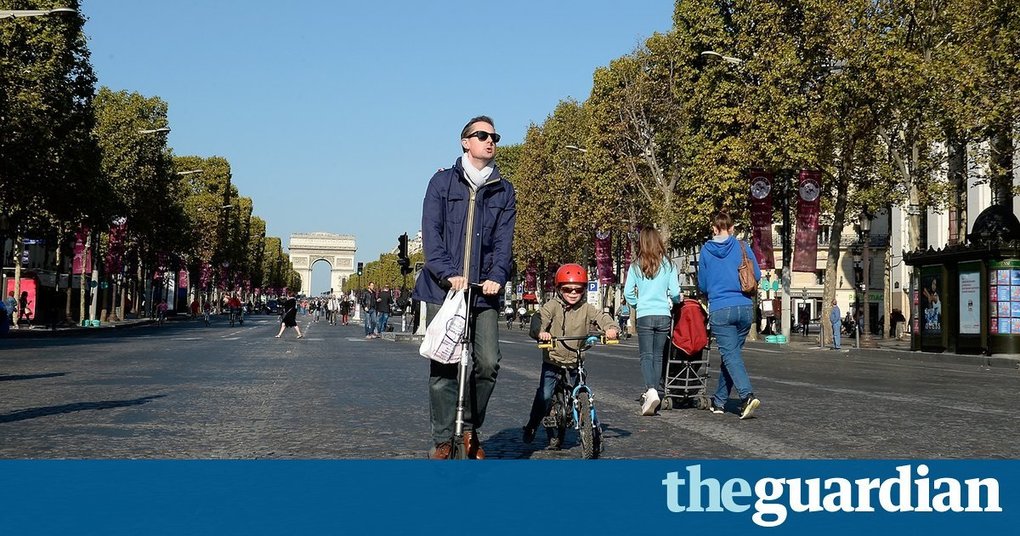
Tourists aren’t just learning about new places, often they are partying and letting loose in a place away from home precisely because they are out of their normal environment. People also go to the same places that are iconic, in search of the perfect Instagram shot of the most viral Tik Tok video. Some places are getting a massive seasonal influx of tourists, more than the local transportation network can handle.
The British media is especially (BBC and the Guardian) aware of this topic, publishing pieces about the adverse impacts of tourism. The negative stereotypes (loud, drunk, culturally insensitive, etc.) are more than off-putting to the local residences in party destinations like Ibiza. People flock to some party destinations, and the picturesque rural community can be confronted with needing a stronger nighttime police force to deal with public drunkenness and more serious criminal activities.
QUESTIONS TO PONDER: What are the responsibilities of tourists? Can a region both foster a tourist-based economy AND keep the place untouched by the industry?




 GEOGRAPHY EDUCATION