Thinking geographically and viewing the world through a spatial lens is more than just putting “geo” in front of every word. Geospatial technologies, geoanalysts, geopolitics…it’s a long list. Spatial thinking has skills that are associated with it more than just a set of knowledge. Too often geography is taught as if we are supposed to memorize a set of facts about the world, as if then we would truly understand all that there is to know about the world (see Figure 1).
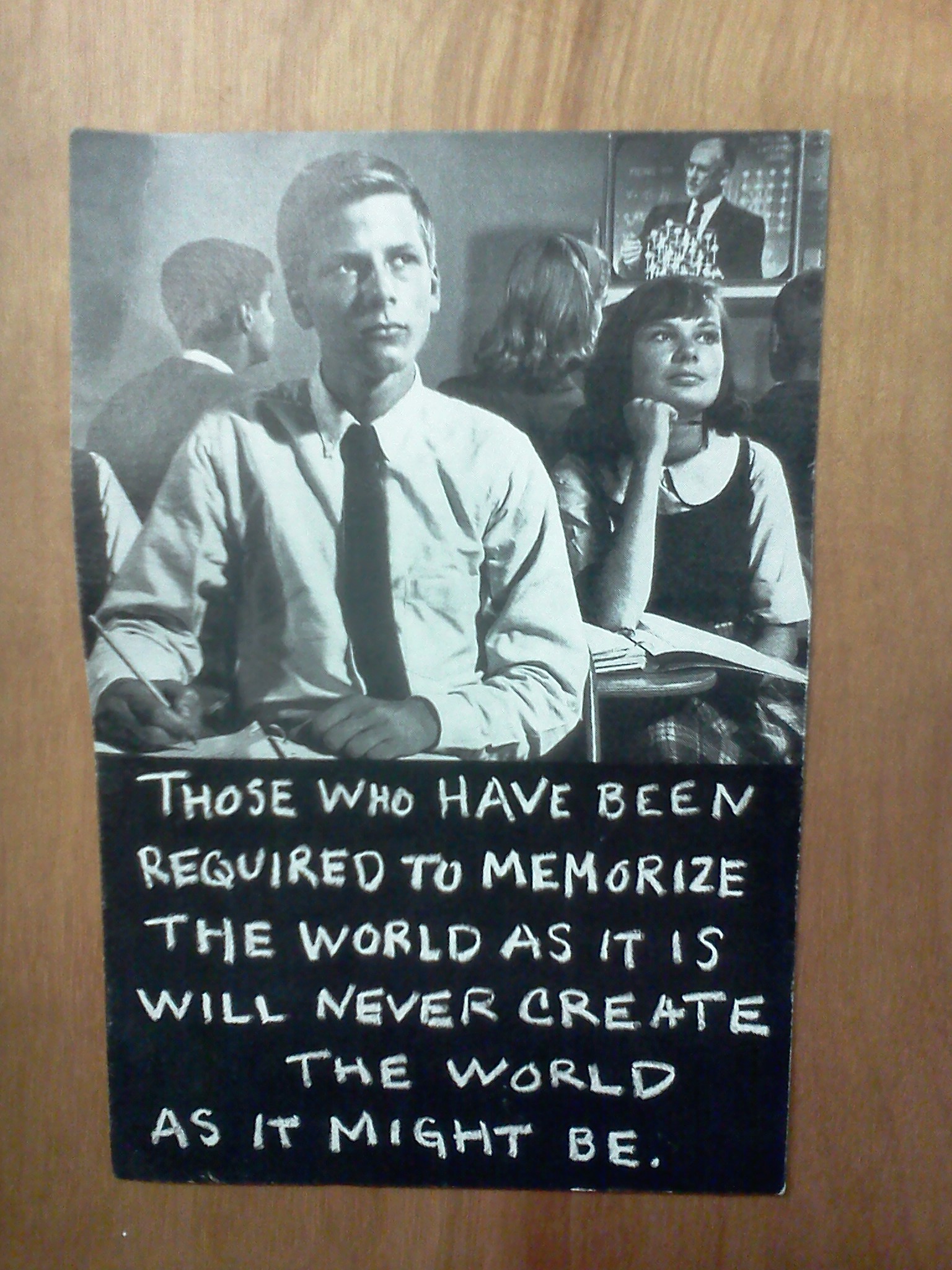
I enjoy the sentiment of this quote in Figure 1; it embraces creative pedagogy while empowering students to be creative agents that can reshape the world. I love the idea of geography enabling young minds to be inspired to imagine a better world and giving them the tools to so. While I love the ethos that is embedded in this quote, I feel that it also underestimates our students and their ability to see past some of the limitations of the educational process. They are simply not passive recipients of learning that is transmitted to them; students can actively shape what they learn. However, if we can create an environment that promotes and encourages higher-order thinking, we can help our students see their role in shaping a new world–that is our goal in promoting geo-literacy.
It is another reason I encourage educators to travel, and find ways to bring other places and perspectives into your classrooms (Figure 2). We need to know more of the world intimately, one of the reasons that Alexander von Humboldt remains my intellectual hero of a byegone era.

Travel is great, but difficult to replicate in most classroom settings. A framework for understanding the world is helpful to serve as the scaffolding to help students as they are inspired to construct a more accurate world view (Figure 3).
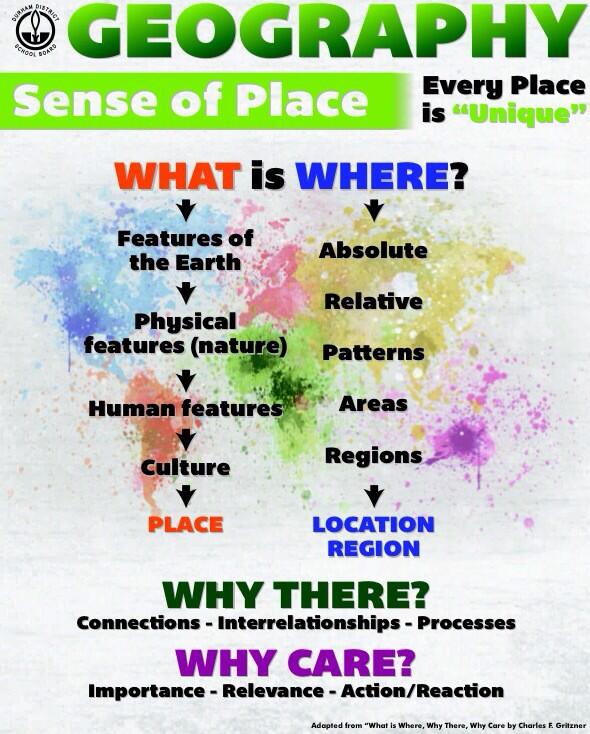
Figure 3: The three most important geographic questions to ask and hopefully answer.
This is a distillation of an academic article that defines the geographic framework. It puts it into three basic questions: 1-What’s here? 2-Why there? 3-Why care? Many student wonder “so what?” in a classroom, almost as an intellectual dare…I dare you to show me why that seemingly trivial piece of information might actually matter. Challenge accepted.




August 12, 2026 at 10:02 pm
Yes Dr D! My thoughts exactly as I say in this video: https://youtu.be/LOAfrTQmHBA?si=mZceMoSW-RyFxTfr Keep on speaking the good word! Joseph Kerski
August 12, 2026 at 10:03 pm
Yes Dr D! Keep speaking the word – my thoughts exactly, as I mention in this video: https://youtu.be/LOAfrTQmHBA?si=mZceMoSW-RyFxTfr –Joseph Kerski