Search

GEOGRAPHY EDUCATION

Supporting geography educators everywhere with current digital resources.

Category

Uncategorized

Celebrating 100 years of the NCGE

“As the proud publisher of both Journal of Geography and The Geography Teacher, the official publications of the NCGE, we couldn’t be more excited to join the NCGE in Washington, DC for their 100th Anniversary Conference. We will be offering NCGE members and attendees FREE ACCESS to specially selected content which reflects core themes of this special meeting: Korea, Pedagogy, Educational Policy, Spatial Thinking, and Technology – 100 articles for 100 years!” http://bit.ly/celebrate-geoedu 

Source: explore.tandfonline.com

The National Council for Geographic Education is having their 100th conference this week (#NCGE100).  The Journal of Geography has recently TRIPLED its impact factor and The Geography Teacher is growing from 2 issues a year to 4.  These are fabulous resources (and great reasons to become a member of NCGE).  The link above is a collection of great articles over the years linked to the themes of the conference; here are free articles from the Journal of Geography and some free articles/lesson plans from The Geography Teacher.  

Tags: NCGE, geography education, teacher training.
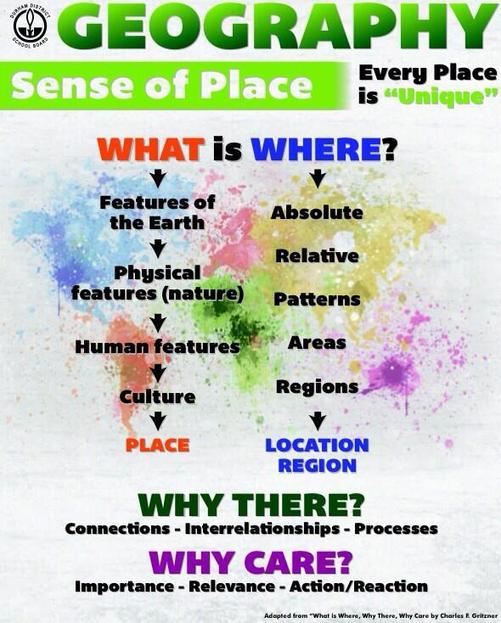
Defining Geography: What is Where, Why There, and Why Care?

One reason why geography has languished in the curricula of many American schools is that so few people understand the nature of the discipline or its relevance to our everyday lives. What is geography? What is its unique perspective? What do geographers do? Why is geography important? Why should we teach (and learn) geography in the schools? These are questions that have gone largely unanswered in American education. This brief essay presents an easily taught, understood, and remembered definition of geography.

Source: apcentral.collegeboard.com

This poster nicely summarizes this classic essay on what geography is and what geographers do…it’s a perfect article for student to read.

Tagseducation, K12geography education.

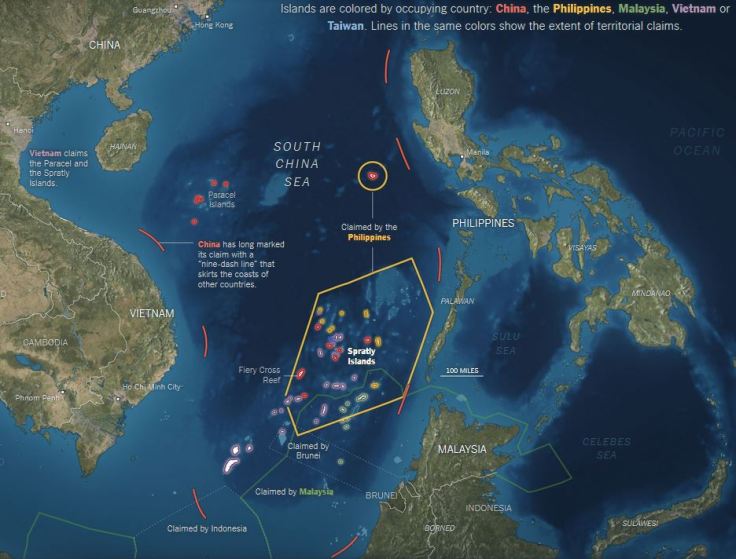
What China Has Been Building in the South China Sea

China has been feverishly piling sand onto reefs in the South China Sea for the past year, creating seven new islets in the region. It is straining geopolitical tensions that were already taut.

Source: www.nytimes.com

Last year this was an intriguing story but now the geopolitical drama is growing as more countries are literally building islands out of reef outcroppings to strengthen their claims to the South China Sea.  This is the most comprehensive article that I’ve seen on the escalating situation.   


Tags: borders, political, conflict, waterChina, East Asia.

How religion(s) spread across the world

VIDEO: 5,000 years of religious history in two minutes.

Source: www.businessinsider.com

Short, sweet and to the point–this video is a great way to show the historical geographies of major world religions.  What are the cultural barriers to the diffusion of one of these particular religions?  What geographic factors helped to facilitate the expansion of one of these world religions?  


Tags: religiondiffusion, culture, ChristianityIslamBuddhismHinduismJudaism,
unit 3 culture.


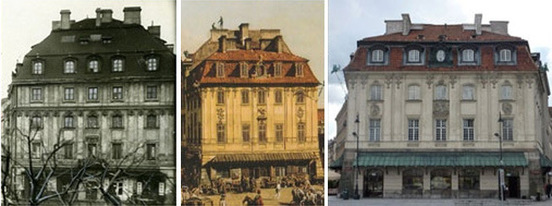
New Old Town

“Like many cities in Central Europe, Warsaw is made up largely of grey, ugly, communist block-style architecture. Except for one part:  The Old Town. Walking through the historic district, it’s just like any other quaint European city. There are tourist shops, horse-drawn carriage rides, church spires. The buildings are beautiful—but they are not original.”

Source: 99percentinvisible.org

This is a compelling podcast linking architecture, heritage, political ideology and the built environment.  How we preserve and create place is put on trial as to when something is benign, fabricated, authentic, or simply a complicated balance between opposing forces. 

Tags: planning, architecture, urban, place,

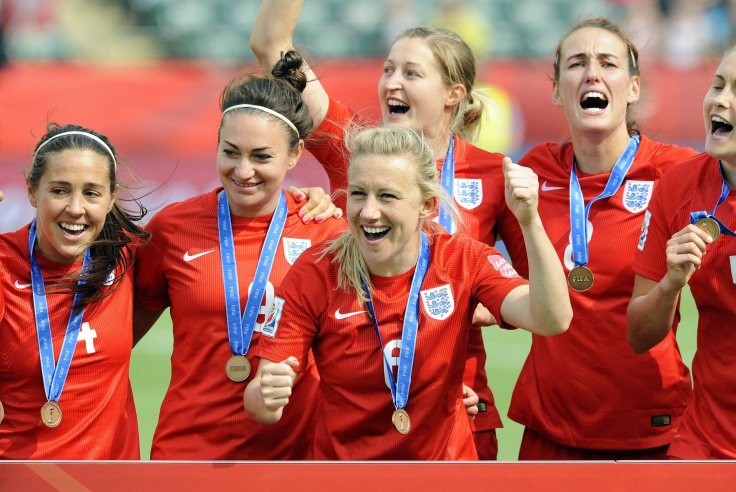
Why England’s women’s soccer team won’t be playing at the 2016 Olympics

At the heart of the debate over whether Britain will field any soccer teams at the Olympics are questions about British identity, and which of Britons’ multiple identities gets priority.

The four constituent nations of the United Kingdom compete as individual teams in soccer tournaments such as the World Cup and the European Championship. But in the Olympics, the athletes must compete under the single banner of “Team GB.”

FIFA, the world governing body of soccer, said that Britain would need to submit a bid for the Olympics with the support of all four of the national soccer associations, but Scotland, Wales and Northern Ireland are against the idea. They think it would damage their prospects of retaining nation status within FIFA and their ability to compete as individual nations in other international tournaments.

Tags: UK, sport, political, identity, autonomy.

Source: www.washingtonpost.com

Food Waste

Producers, sellers, and consumers waste tons of food. John Oliver discusses the shocking amount of food we don’t eat.

Source: www.youtube.com

Food waste is a tragedy that we all know happens, but the economic system does not work efficiently to maximize the global food production (Disclaimer: it is HBO’s John Oliver, so there is some languages and references that might not be appropriate for all audiences). 


Tags: food, agriculture, consumption, sustainability, video, unit 5 agriculture.

We should host the Olympics in the same place every time

The Olympics are bad for cities. So why do we keep asking new places to invest billions of dollars in state-of-the-art stadiums they’ll never use again?

The game of the Games is rigged, with the IOC bearing no cost but reaping great profits. The competition is designed to force cities to bid ever upward, proposing state-of-the-art projects that they might not even need. Because of the mounting price tag, the vast majority of countries could never afford to host the Games. We need a new model, and I think the solution is obvious. We should build the Summer Olympics a permanent home.

Source: www.washingtonpost.com

Urban Geographer John Rennie Short writes an intriguing Olympic proposal, with the idea of fixing the broken economic model (for hosts) as well as the Greek economy.  He is author of the fabulous new textbook Human Geography: A Short Introduction;  you can hear how he wanted to bring a new voice to geography students that would excitement an intellectual vitality to their studies.  You can preview the supplemental resources and digital exercises for this engaging new textbook here. 

The Great Barrier Reef

“Australia urged the UN’s World Heritage Committee to keep the Great Barrier Reef off the ‘in danger’ list to protect their tourism industry. But that doesn’t mean the ecological treasure is not in danger.”

Tags: biogeography, environmentecology, Australia, Oceania.

Source: www.youtube.com

Some of the most beautiful things in the world can be the most susceptible to sweeping environmental transformations.

Blog at WordPress.com.

Up ↑