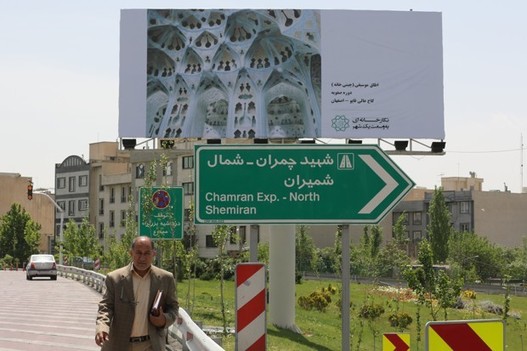
The Iranian capital is replacing anti-Western billboards with works of art, and welcoming new architecture by world-class designers.
Source: www.citylab.com
The Iranian capital is replacing anti-Western billboards with works of art, and welcoming new architecture by world-class designers.
Source: www.citylab.com
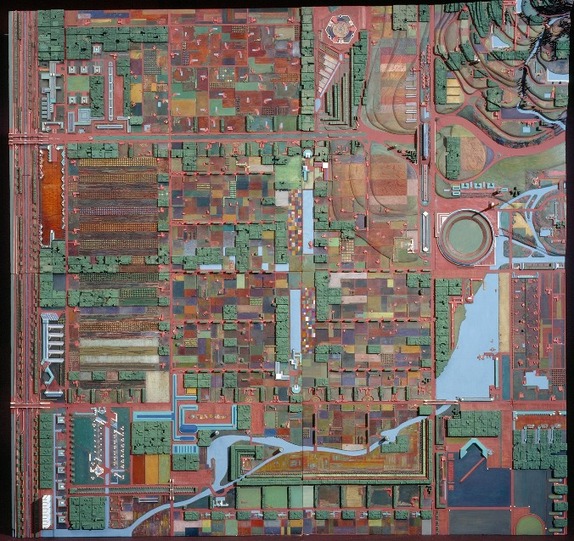
A new exhibit from the San Francisco Planning and Urban Research Association showcases the simple visualizations of complex ideas that have changed how we live.
Source: www.citylab.com
We learned last year that many of the effects of climate change are irreversible. Sea levels have been rising at a greater rate year after year, and the Intergovernmental Panel on Climate Change estimates they could rise by another meter or more by the end of this century.
Source: www.youtube.com
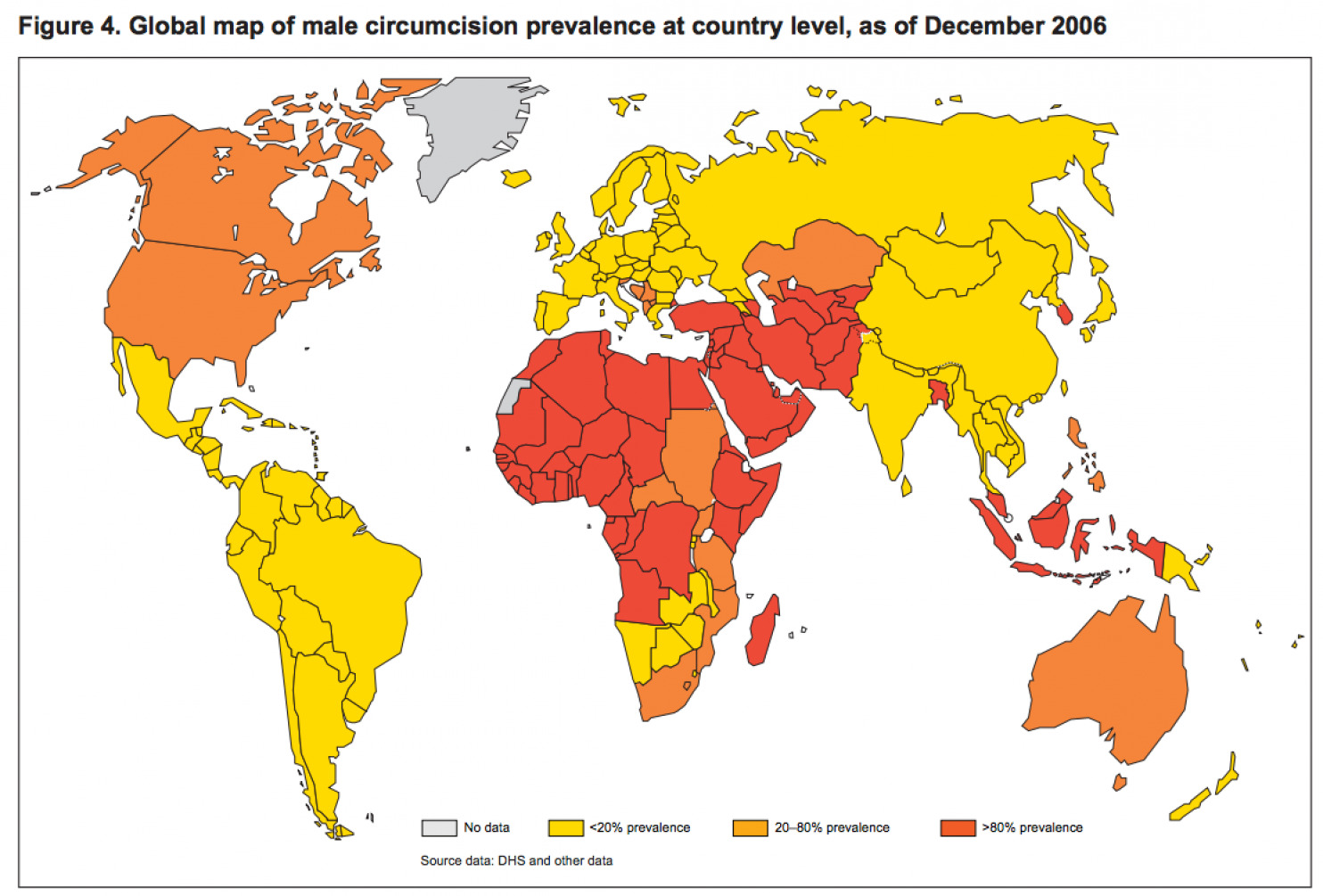
“There’s no question that among the world’s wealthy nations, the U.S. stands out when it comes to circumcision. The WHO estimates that the overall male circumcision rate in the states is somewhere between 76 and 92 percent. Most Western European countries, by contrast, have rates less than 20 percent. But even these numbers mask considerable regional variation within countries.”
Tags: perspective, cultural norms, culture, gender, regions.
Source: www.washingtonpost.com
The world’s population is projected to reach 11 billion by the end of the century. Feeding that many people will be a challenge, and it is further complicated by the impact of climate change on agriculture. That is why some people advocate an unusual way to boost the food supply and feed people sustainably: by eating less meat, and more insects.
Source: www.youtube.com
While it might make economic, nutritional, and environmental sense, I’m sure that many are squeamish at the idea of insects primarily because in violates many deeply engrained cultural taboos. The main reasons listed in the video for promoting the production and consumption of more insects:
Questions to Ponder: Would you be willing to try eating insects? How do you think this idea would go over with your family and friends? What cultural barriers might slow the diffusion of this practice?
Tags: food, culture, diffusion, cultural norms, economic, food production, agriculture.
“The reason why some countries are rich and others poor depends on the quality of their institutions, the culture they have, the natural resources they find and what latitude they’re on.“
Tags: development, statistics, economic, globalization, poverty.
Source: www.youtube.com
I can’t say I agree with all the arguments put forward in this video, but it can be a nice starting point to get students to critically analyze the ideas put forth and assess the merits of the claims being made.
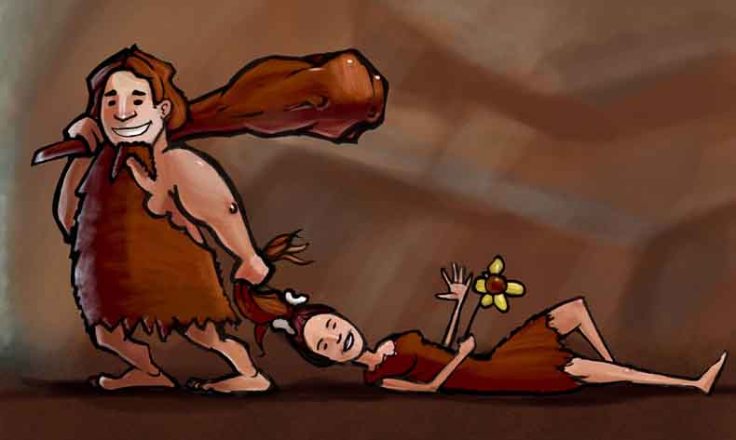
There is still this wider perception that hunter-gatherers are more macho or male-dominated. We’d argue it was only with the emergence of agriculture, when people could start to accumulate resources, that inequality emerged.
Tags: gender in agriculture, development, gender, agriculture, labor.
Source: www.theguardian.com

“K-pop sensation Psy was everywhere once but little has been heard since. What happened to him? Having earned an estimated $55m (£36m) from his work in the West, Psy is now racking up similar amounts from the lucrative Chinese market, where his collaboration with world-class pianist Lang Lang is currently producing a run of consecutive number ones. Psy’s decision to focus on the Asian music market may be an indication of where the entertainment industry turns over the highest profits for musicians.”
Source: www.bbc.com
In 2012, we were analyzing the cultural geography of a viral sensation, that seemed to fizzle out so we dismissed it as a one-hit wonder. So often we assume that being culturally and economically viable in the West is of greatest importance, but truly savvy brands aren’t sleeping on East Asian markets. This “one-hit wonder” in the West strategically moved on to even larger markets.
Tags: popular culture, diffusion, globalization, culture, music.
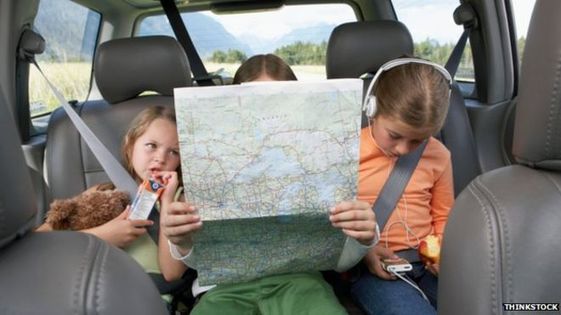
The Royal Institute of Navigation says reliance on sat-navs is undermining map-reading skills. So why should we still read maps?
Source: www.bbc.com



 GEOGRAPHY EDUCATION