Search

GEOGRAPHY EDUCATION

Supporting geography educators everywhere with current digital resources.

The Ogallala Aquifer

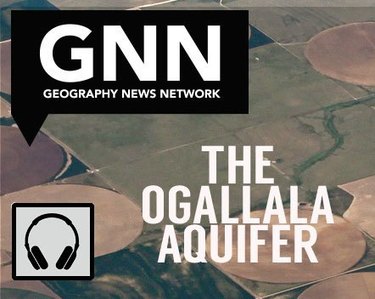
Hidden beneath the 245,000 square miles that make up the Great Plains, resides a lake that’s one of our greatest water assets: The Ogallala Aquifer. Haven’t heard of it? Farming the plains would be unprofitable at best without it, as shown by the Dust Bowl of the 1930s. At the time, the aquifer’s existence was known, but the technology to tap into it wasn’t.

Source: maps101blog.com

Portions of the High Plains Aquifer are rapidly being depleted by farmers who are pumping too much water to irrigate their crops, particularly in the southern half in Kansas, Oklahoma and Texas.  This podcast explores the environmental and economic impacts of this unsustainable situation.


Tags: wateragriculture, environment, consumption, resources, environment depend, podcast.
Long Toponyms

Liam Dutton nails pronouncing Llanfairpwllgwyngyllgogerychwyrndrobwllllantysiliogogogoch

Known as Llanfairpwllgwyngyll, Llanfair PG and Llanfairpwll, the small community of 3,000 on the island of Anglesey has the longest single word toponym (place name) in Europe. The name means “Saint Mary’s Church in a hollow of white hazel near the swirling whirlpool of the church of Saint Tysilio with a red cave.”

The longest toponym in the world is a New Zealand hill named Taumatawhakatangihangakoauauotamateapokaiwhenuakitanatahu.

Tags: place, language, toponyms.

Source: www.youtube.com

The two Mexicos

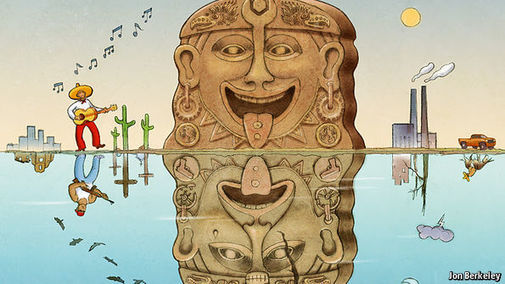
“With its combination of modernity and poverty, Mexico provides lessons for all emerging markets.”

Source: www.economist.com

This article from the Economist highlights the struggles in emerging economies to ‘bridge the gap between a globalized minority and an impoverished majority.’ The four lessons of Mexico in that article are:

  1. The centrality of urbanization to economic growth.
  2. Modern infrastructure is needed to connect disparate regions for them to keep pace with the core.
  3. The informal economy needs to be formalized.
  4. The system can’t flourish if the citizenry doesn’t trust the system.  

TagsMexicoindustry, economic, development.

African dams linked to over one million malaria cases annually

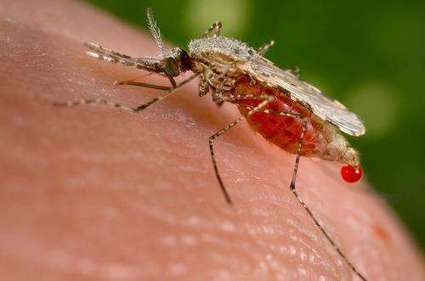
“Over one million people in sub-Saharan Africa will contract malaria this year because they live near a large dam, according to a new study which, for the first time, has correlated the location of large dams with the incidence of malaria and quantified impacts across the region. The study finds that construction of an expected 78 major new dams in sub-Saharan Africa over the next few years will lead to an additional 56,000 malaria cases annually.”

Source: medicalxpress.com

Medical geography explores the patterns and impacts of diseases; physical geography (temperature and precipitation) and human geography (development, standard of living, etc) both shape these patterns.  This article is a good example of how both play key roles since the distribution of mosquitoes is a critical component in the geography of development. 


Tagsmedical, diffusion, Africa, development, infrastructure.

How El niño affects commodity prices

“Cocoa, coffee and minerals are especially vulnerable to the weather pattern first named by Peruvian fishermen.”

Source: www.youtube.com

Geography is all about the finding the connections between seemingly unrelated issues. The geography of coffee is connected to weather, cultural, economic and many other geographies.  

Tags: environment, resources, economic, weather and climate, agriculture.

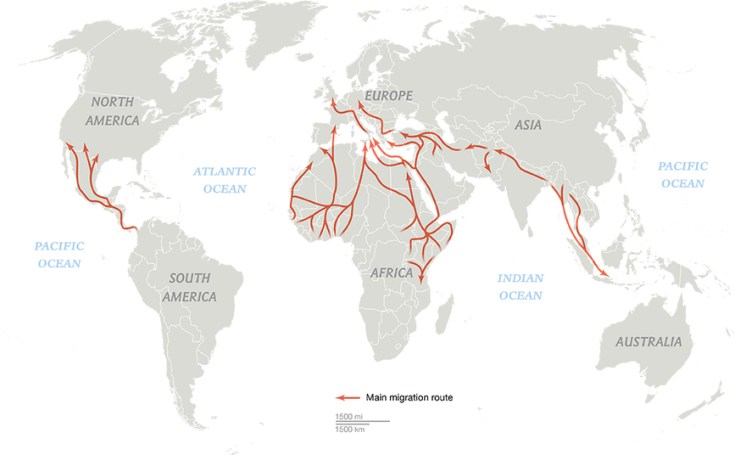
The World’s Congested Human Migration Routes in 5 Maps

The desperate men, women, and children flooding into Europe from the Middle East and Africa are not the only people moving along ever-shifting and dangerous migration routes.

Last year saw the highest levels of global forced displacement on record—59.5 million individuals left their homes in 2014 due to “persecution, conflict, generalized violence, or human rights violations” according to the United Nations. That’s 8.3 million more people than the year before.

Source: news.nationalgeographic.com

Wall for nothing: the misjudged but growing taste for border fences

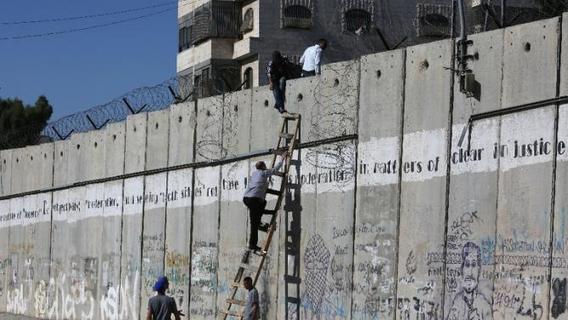
“Globalisation was supposed to tear down barriers, but security fears and a widespread refusal to help migrants and refugees have fuelled a new spate of wall-building across the world, even if experts doubt their long-term effectiveness. When the Berlin Wall was torn down a quarter-century ago, there were 16 border fences around the world. Today, there are 65 either completed or under construction, according to Quebec University expert Elisabeth Vallet.”

Source: news.yahoo.com

This is an intriguing opinion piece that would be good fodder for a class discussion on political geography or the current events/refugee crisis. 

Tags: borders, political.

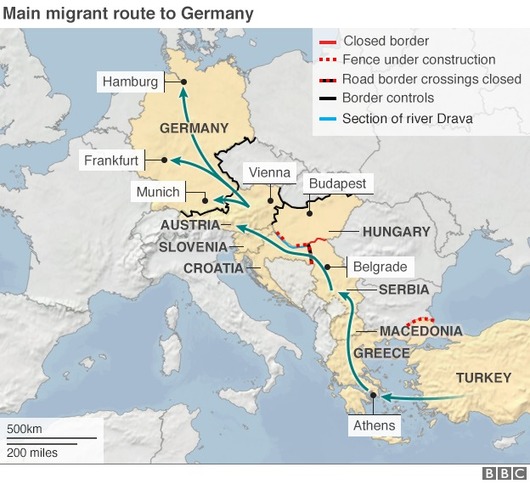
Migrant crisis: Neighbours squabble after Croatia U-turn

Croatia reverses its policy on allowing in migrants and instead transports hundreds northwards, angering Hungary and Slovenia.

Source: www.bbc.com

How Not to Be Ignorant About the World

How much do you know about the world? Hans Rosling, with his famous charts of global population, health and income data (and an extra-extra-long pointer), demonstrates that you have a high statistical chance of being quite wrong about what you think you know. Play along with his audience quiz — then, from Hans’ son Ola, learn 4 ways to quickly get less ignorant.

Source: www.youtube.com

Our preconceived notions of places, as well as some of the dominant narratives about regions, can cloud our understanding about the world today.  This video is a good introduction to the Ignorance Project which shows how personal bias, outdated world views and news bias that makes combating global ignorance difficult.   However, the end of the video shows some good rules of thumb to have a more fact-based world view.  


Tagsstatistics, placeregions, media, models, gapminderdevelopment, perspective.

Blog at WordPress.com.

Up ↑