Search

GEOGRAPHY EDUCATION

Supporting geography educators everywhere with current digital resources.

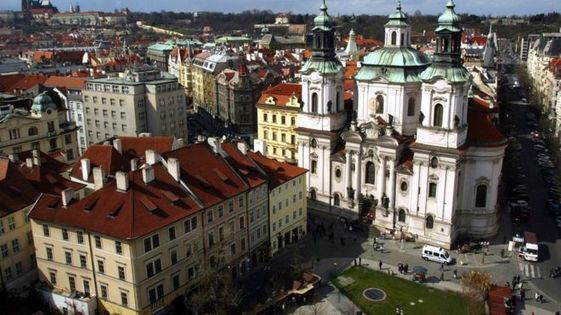
Czech Republic poised to change name to ‘Czechia’

The Czech Republic is expected to change its name to “Czechia” to make it easier for companies and sports teams to use it on products and clothing.

Source: www.bbc.com

That sound you hear is cartographers and database managers gasping at the joy and shock of need to updata all their data and maps.  Old maps still show Czechoslovakia, maybe on date in the future someone will be excited to find “The Czech Republic” on the map as much as I was fascinated to discover Hindustan on a 19th century globe. 


Tag: Czechia, languagetoponyms, culture.

The Buried Catchphrase of Classic Hollywood

“The phrase ‘Free, white, and 21’ appeared in dozens of movies in the ‘30s and ‘40s, a proud assertion that positioned white privilege as the ultimate argument-stopper. It was a catchphrase of the decade, as blandly ubiquitous as any modern meme: a way for white America to check its own privilege and feel exhilarated rather than finding fault.  Read more about the history of the phrase here.”

Source: www.youtube.com

I found this glimpse into the American past as startling, even if it shouldn’t be.  It jarred me because today many in America bristle or are startled at the notion that ‘white privilege’ exists today even if there are countless examples that we do not live in a post-racial society.  This glimpse of old-school Hollywood shows how asserting white privilege was common place in the lexicon–equally fascinating is how we’ve pretended that it never was.  White privilege is no longer flouted in polite company like it once was, but that doesn’t mean that it isn’t real.    


Tags: racecultural normslanguage, racism, culture, unit 3 culture.

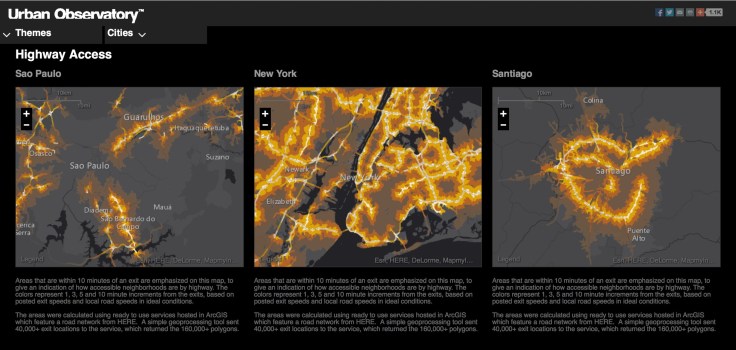
Urban Observatory

“The Urban Observatory city comparison app enables you to explore the living fabric of great cities by browsing a variety of cities and themes.”

Source: www.urbanobservatory.org

At the 2013 ESRI User Conference, the Urban Observatory was unveiled (I shared this earlier, but the URL has since changed, I’m sharing it again).  The physical display contained images from cities around the world to compare and contrast diverse urban environments.  The online version of this was announced during in a 10 minute talk by Jack Dangermond and Hugh Keegan.  This interactive mapping platform let’s users access ‘big data’ and have it rendered in thematic maps.  These maps cover population patterns, transportation networks, and weather systems.  This is a must see.  Read Forbes’ article on the release of Urban Observatory here.


Tags: transportation, urban, GIS, geospatial, ESRI.

A brief history of the U.S. and Cuba

150 years of tension may be coming to an end.

Source: www.youtube.com


This video offers some good perspective on the competing historical visions that help to shape the tension between the United States and Cuba.  I enjoyed this one because it explicitly states during what many refer to as the age of imperialism.


Questions to Ponder:  How would you feel about the normalizing of political and economic relations between the United States and Cuba if you grew up in Cuba?  What if you were from a Cuban-American family that fled Castro’s regime?   


TagsCuba, historical, conflict, political, geopoliticscolonialism, video.

Putin fills another U.S. leadership void in Nagorno-Karabakh

Russia exploits a conflict in Azerbijan’s breakaway region while Washington watches.


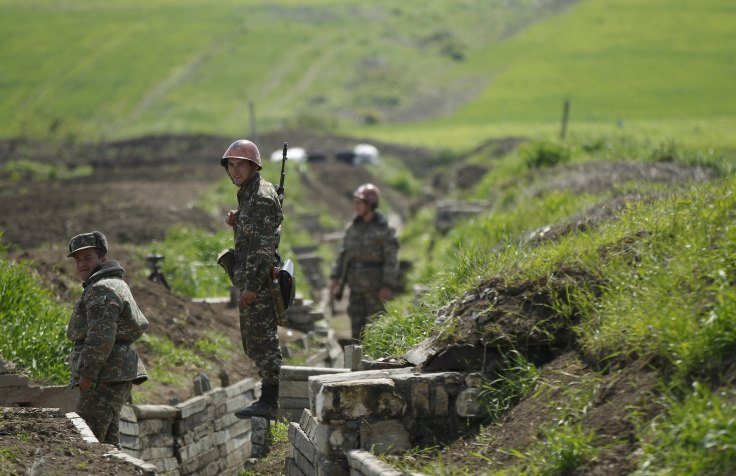
On April 1, an obscure conflict in Azerbaijan’s breakaway region of Nagorno-Karabakh nearly devolved back into full-scale war between Azerbaijan and Armenia. Transatlantic leaders called for an end to the violence and for redoubled efforts to settle the underlying political conflict but did little else. Russian President Vladimir Putin, by contrast, launched decisive actions to shore up Russia’s international reputation and pull Armenia and Azerbaijan away from the West.


TagsArmenia, political, war, borders, political, geopolitics, Central AsiaAzerbaijanRussia.

Source: www.washingtonpost.com

Why babies all over the world are now sleeping in boxes

The Finnish baby box, which the state has given to expectant mothers for 75 years, has sparked copycat boxes across the globe.

Source: www.bbc.com

A few years back I shared a delightful article that demonstrated how the Finnish baby box lead to the Finland having the best infant mortality rates in the world.  This first article itself is the story now.  This great BBC article with geographic themes took hold and the act of this article getting shared around the world inspired similar initiatives–this type of diffusion shows layers and layers of good geography present in this viral phenonomen. 


Tags: Finland, medical, media, population, demographic transition model, unit 2 population, technology, diffusion.

Photos capture hermits who have escaped society to live peacefully in the wild

At certain moments we all feel the desire to escape from it all. Even if it’s only a brief walk or a long drive through the countryside, there is truly no greater companion than ourselves.

Source: www.theplaidzebra.com

In the past, those that didn’t ‘fit’ the normative regulations of society or didn’t want to fit them could withdraw from society to the margins. Modern society (taxation requirements, documentation, increased population density, private land ownership, urbanization, etc.) makes retreat from society much more difficult today. Some retreat while among us; homelessness has a great distance from social networks, even if not a spatial distance from city centers. I’m not trying to romanticize the past, because I am sure that retreating from society hundreds of years ago would certainly be fraught with peril and layered with tremendous difficulties. 

Collectively, we have especially demonized women that pull back for societal connections (the idea of the lone ‘witch’ is loaded with negative cultural connotations). Many of these individuals seek a different human and environmental interaction, and feel a stronger connection to the land and animals than they do human society.  Some with mental health issues find that societal interactions exacerbate their problems while can solitude and a more physical landscape can offer peace of mind and happiness.  I don’t have any answers, but wanted to think about individualistic and isolationist geographies of those that don’t feel at odds in large groups and contemporary society.  


Tags: mobility, housing, cultural normsenvironment, culture.

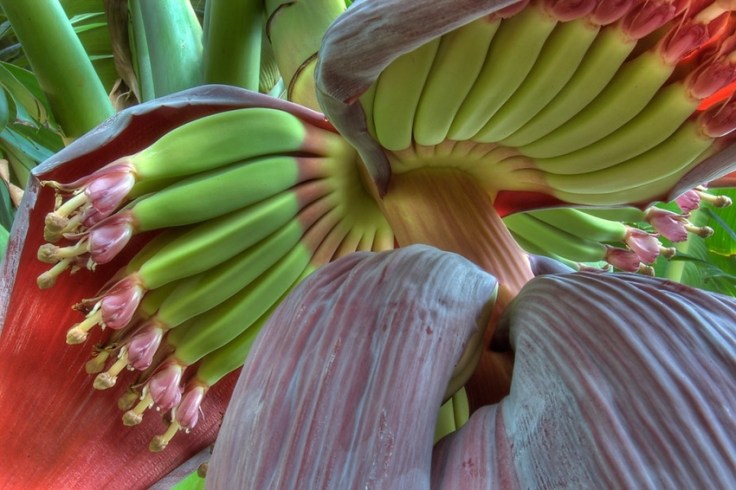
This is how our favorite foods look in their natural habitats

We know how to harvest potatoes and apples. There are other fruits and vegetables, however, which have natural habitats we can barely imagine. We see these items in the grocery store every day, but often we have no idea how they got there.

Source: brightside.me

This set of teaching images hammers home how natural items become commodities that are removed from their original context.  The fact that these foods are somewhat difficult to recognize shows just how most consumers have been removed from the full geographies of their food.  


Tagsfood production, images, agriculture, foodeconomic.

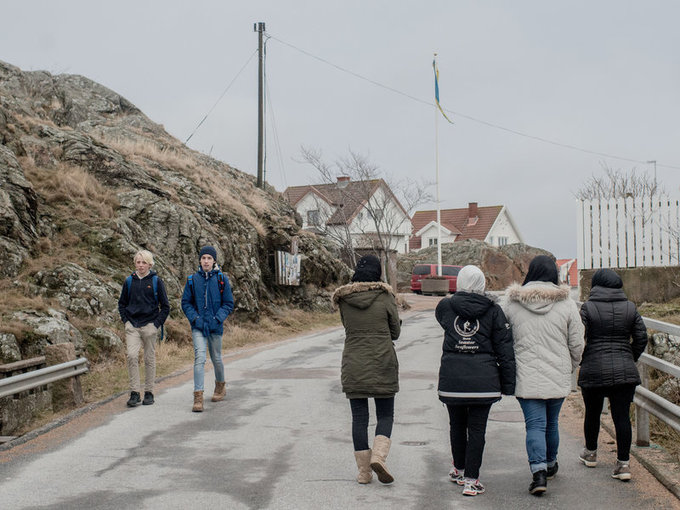
As Sweden Absorbs Refugees, Some Warn The Welcome Won’t Last

For decades, Sweden has served as a haven for those fleeing war and persecution the world over. But the country’s traditionally liberal acceptance of refugees is now being questioned. Some 160,000 asylum seekers arrived in the country last year alone, stretching its resources. Sweden’s idealistic culture is starting to show cracks.


Tagspodcast, culture, Sweden, refugees.

Source: www.npr.org

Create a free website or blog at WordPress.com.

Up ↑