Search

GEOGRAPHY EDUCATION

Supporting geography educators everywhere with current digital resources.

Tag

economic

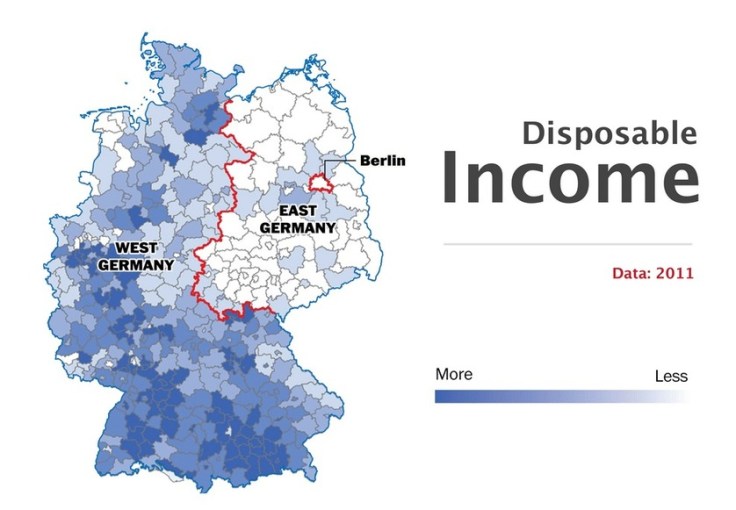
Germany reunified 26 years ago, but some divisions are still strong

“While 75 percent of Germans who live in the east said that they considered their country’s reunification a success, only half of western Germans agreed. With eastern and western Germans blaming each other for past mistakes over the past two years, that frustration has likely increased. Younger citizens, especially — who do not usually identify themselves with their area of origin as strongly anymore — have grown worried about the persistent skepticism on both sides. But where do those divisions come from? And how different are eastern and western Germany today?”

Source: www.washingtonpost.com

This series of 10 maps (and 1 satellite image) highlights many of the cultural and economic divisions between East and West, despite efforts to in the last 26 years to smooth out these discrepancies. The social geographies imposed by the Iron Curtain and the Berlin Wall are still being felt from this relic border and will for years to come. 


Tags: Germany, industry, laboreconomichistorical, politicalborders.

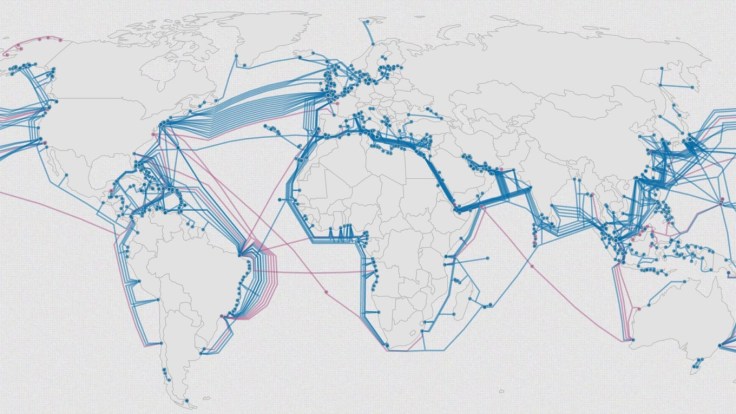
Growth of underwater cables that power the web

“The map above, created with data from Telegeography, shows how those cables have developed since 1990. Most existing cables were constructed during a period of rapid growth in the mid-2000’s. This was followed by a gap of several years during which companies steadily exhausted the available capacity. Over the last few years, explosive new demand, driven by streaming video, has once again jumpstarted the the construction of new cables.”

Source: qz.com

Twenty years ago, people were still connecting to the internet with a dial-up connection through their modem (if you don’t know what that sounds like, this was once the sound of interconnectivity).  People focus on cell phones, tablets, and cool gadgets when discussing the digital transformation of globalization, but it all rests on the infrastructure of the global connectivity that is mapped out here.  Even still, global trade rests on the back of container ships moving manufactured goods from far-flung factories to major markets.


Tags: technology, globalization, diffusion, industry, economic.

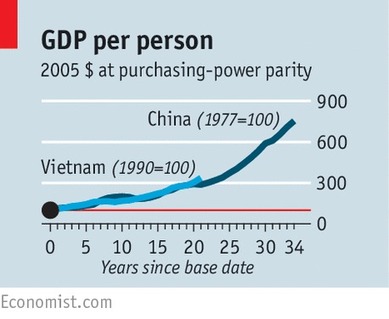
The other Asian tiger

“Vietnam’s success merits a closer look.”


Which Asian country has roared ahead over the past quarter-century, with millions of its people escaping poverty? And which Asian economy, still mainly rural, will be the continent’s next dynamo? Most would probably respond “China” to the first question and “India” to the second. But these answers would overlook a country that, in any other part of the world, would stand out for its past success and future promise.

Vietnam, with a population of more than 90m, has notched up the world’s second-fastest growth rate per person since 1990, behind only China. If it can maintain a 7% pace over the next decade, it will follow the same trajectory as erstwhile Asian tigers such as South Korea and Taiwan. Quite an achievement for a country that in the 1980s was emerging from decades of war and was as poor as Ethiopia.


Tags: Vietnam, globalizationdevelopment, economic, SouthEastAsia.

Source: www.economist.com

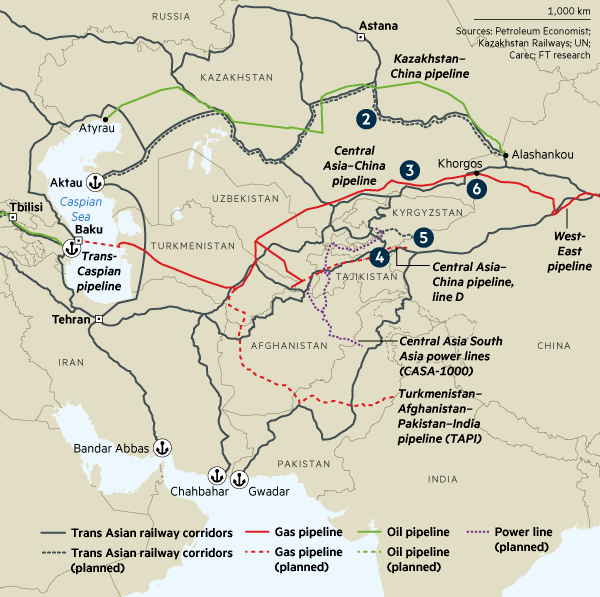
India watches anxiously as Chinese influence grows

A $46bn economic corridor through disputed territories in Kashmir is causing most concern

Source: www.ft.com

The Indian government doesn’t want to seem threatened by the fact that China is paying for better transportation infrastructure that is essentially in their backyard.  India’s neighbors are excited for the potential economic growth that this can bring, but weary of China’s added clout and power throughout Asia.  As Parag Khanna argues is his new book Connectography, infrastructure and economic linkages will become increasingly more important to geopolitics and global economics; within that lens, China is certainly making a power move here. 


Tags: regions, transportationeconomic.

The Best News You Don’t Know

I’ve covered massacres in South Sudan, concentration camps in Myanmar and widespread stunting in India, but it’s also important to acknowledge the backdrop of global progress. Otherwise, the public may perceive poverty as hopeless and see no point in carrying on the fight — at just the point when we’re making the most rapid gains ever recorded.

Source: www.nytimes.com

The world is winning the war on extreme poverty, but most Americans think that poverty is getting worse. Doom and gloom can dominate media coverage because a horrific tragedy gets better rating than slow incremental improvements.  The general public is often ignorant of the measurable improvements going on in the world today.  No, the world isn’t perfect, but it is getting better. 


Tags: mediapoverty, development, economic, perspective.

Bratislava EU meeting: Merkel says bloc in ‘critical situation’

The EU is in a “critical situation”, the German chancellor says, as leaders meet to discuss ways to regain trust after the UK’s vote to leave the bloc.

Source: www.bbc.com

Some of this article is focused on the micro-issues of the day, but the larger issues of what is the proper role for an economic supranational organization is front and center.  Should the EU have a military headquarters?  How should the member states respond to the underlying tensions in the Union?  Attached is a video showing residents of EU countries with a wide range of opinions about the organization and what it’s future should be and another video about the major topics on the table.  Given that the politicians there are balancing personal, national, and European interests, it is a sticky wicket (if British phrases are still allowed, even if they are the only member state not invited to the summit).   


Tags: Europe, supranationalism, economic, political, video.

Creamed, Canned And Frozen: How The Great Depression Revamped U.S. Diets

During the Depression, cheap, nutritious and filling food was prioritized — often at the expense of taste. Jane Ziegelman and Andy Coe, authors of A Square Meal, discuss food trends of the time.

Source: www.npr.org

Peanut butter and school lunches became fixtures of American culture during the Depression.  On the flip side, our modern preference for freshness is a reaction against the Depression’s obsession to find ways to preserve food for longer amounts of time.  


Tags: foodeconomicfood distribution, historical, podcast.

Turkey’s ‘bumpy ride’ into the EU?

“As the UK prepares for what looks like a slow and painful divorce from the European Union, the people of Turkey are wondering how their relationship with Europe will now develop.

The government in Ankara has been seeking to strengthen its case to join the EU, but as Europe grapples with Brexit – is the Turkey’s membership closer or further away?”

Source: www.bbc.com

This video show some of the recent shifts in the always important, often rocky Turkey/EU relationship.   Economically, Turkey has consistently sought greater ties with Europe for the past few decades and Europe keeps Turkey at arms length.    Turkey has applied to join the EU, but that is not going to happen without some massive social restructuring that would take years. 


Tags: EuropeTurkey, supranationalism, economicrefugees, political, video.

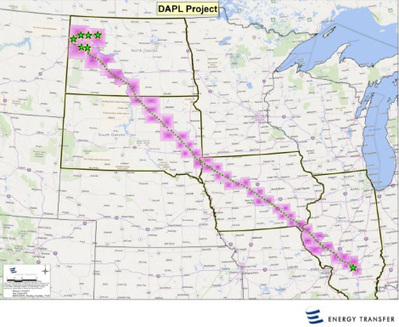
Dakota Access Pipeline: What You Need to Know

Conflict between Native American protesters and private security personnel over construction of the Dakota Access Pipeline has turned violent. What is the Dakota Access Pipeline?


Tags: industryconflict, economic, energy, resources, environmentindigenous, ecology.

Source: blog.education.nationalgeographic.com

Blog at WordPress.com.

Up ↑