Search

GEOGRAPHY EDUCATION

Supporting geography educators everywhere with current digital resources.

Tag

Guatemala

Using lidar data to see the past

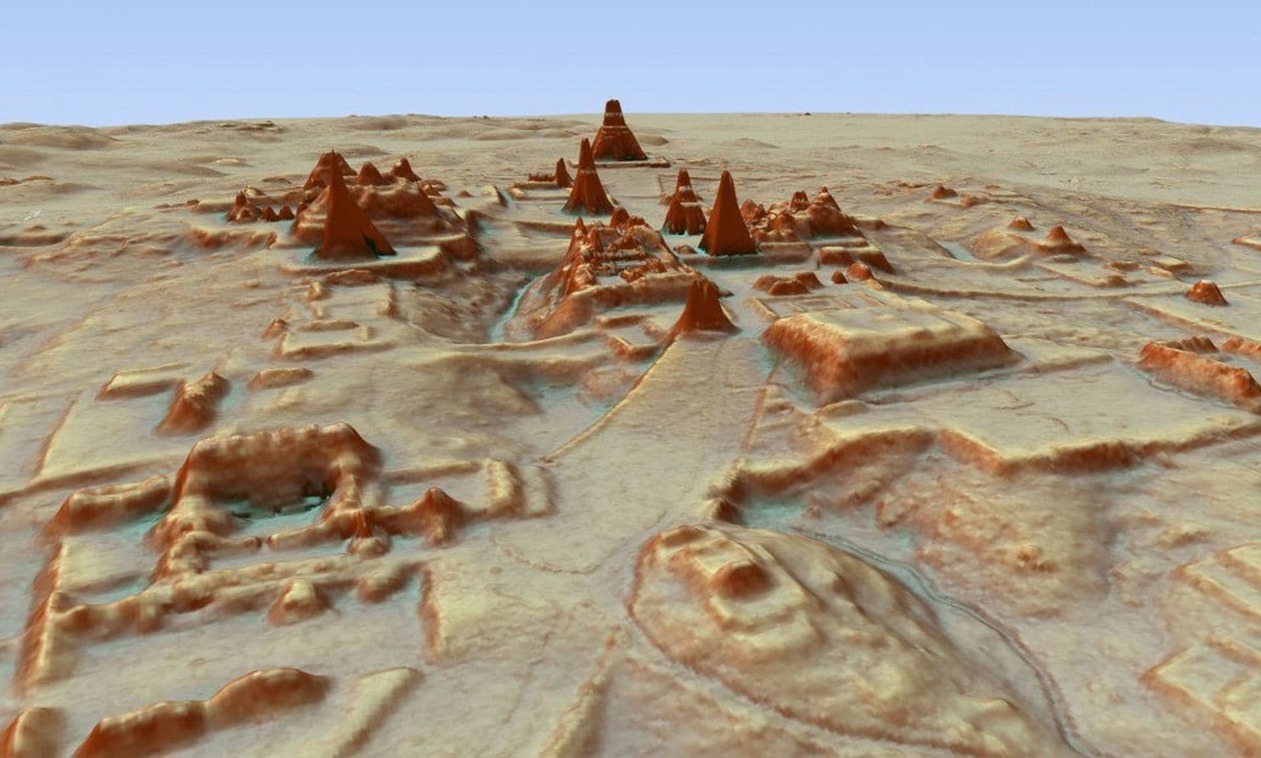
A lidar image reveals ancient Mayan structures

Archaeologists have spent more than a century traipsing through the Guatemalan jungle, Indiana Jones-style, searching through dense vegetation to learn what they could about the Maya civilization. Scientists using high-tech, airplane-based lidar mapping tools have discovered tens of thousands of structures constructed by the Maya: defense works, houses, buildings, industrial-size agricultural fields, even new pyramids. SOURCE– National Geographic: Everything we thought we knew about the Maya is being upended

Lidar technology gives us the visual answer to the question, “If you were to strip a forest of all its vegetation, what would you see? The lidar system fires rapid laser pulses at surfaces and measures how long it takes that light to return to sophisticated measuring equipment. Doing that over and over again lets scientists create a topographical map of sorts. Months of computer modeling allowed the researchers to virtually strip away half a million acres of jungle that has grown over the ruins. What’s left is a surprisingly clear picture of how a 10th-century Maya would see the landscape.
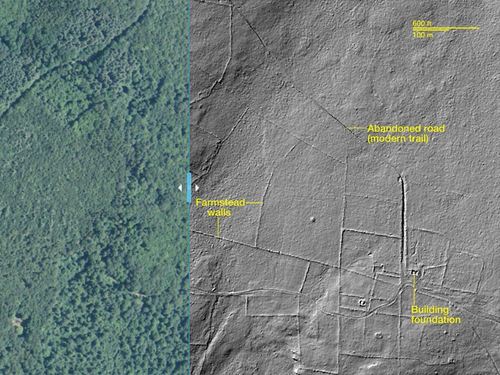
A New England lidar images reveals old land use patterns.

This technology also has local applications here in New England. New England’s wooded hills hold a secret—they weren’t always forested. Instead, many were once covered with colonial roads and farmsteads and food production was the primary local economic activity. Today we can use lidar to see remnants of this historical landscape by mapping stone walls and other features. SOURCE–National Geographic: Lost New England revealed by high-tech archaeology

ArcGIS application: Lidar can also be used quickly assess damage and change after a geologically violent incident, as seen in the Oso landslide in Washington state.  View the impact in ArcGIS online in this ArcGIS map, utilizing LiDAR I and II data layers.   

Questions to Ponder:

  • How does lidar work?
  • How can it be used in GIS?
  • What are 2 changes to our understanding of the Maya that come out of this Lidar data?
  • What are 2 New England applications that you found interesting?
  • Examine the Oso landslide in ArcGIS online. How does this visual representation change your understanding?
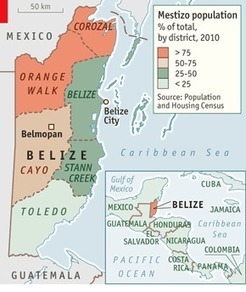
Belize: A Spanish Accent in an English-Speaking Country

"BELIZE has long been a country of immigrants. British timber-cutters imported African slaves in the 18th century, and in the 1840s Mexican Mayans fled a civil war."

Source: www.economist.com

This is an older article (2012), but the pattern mentioned here is all the more relevant.  Belize has a much higher Human Development Index ranking that its Central American neighbors such as Guatemala.  That fact alone makes Belize a likely destination for migrants.  Given that Belize was ‘British Honduras’ during colonial times, English is (still) the official language, but that is changing as increasingly Spanish-speaking immigrants are changing the cultural profile of Belize.      

Maya civilization was much vaster than known, thousands of newly discovered structures reveal

Scientists using high-tech, airplane-based lidar mapping tools have discovered tens of thousands of structures constructed by the Maya.


Archaeologists have spent more than a century traipsing through the Guatemalan jungle, Indiana Jones-style, searching through dense vegetation to learn what they could about the Maya civilization. Scientists using high-tech, airplane-based lidar mapping tools have discovered tens of thousands of structures constructed by the Maya: defense works, houses, buildings, industrial-size agricultural fields, even new pyramids.

The lidar system fires rapid laser pulses at surfaces and measures how long it takes that light to return to sophisticated measuring equipment. Doing that over and over again lets scientists create a topographical map of sorts. Months of computer modeling allowed the researchers to virtually strip away half a million acres of jungle that has grown over the ruins. What’s left is a surprisingly clear picture of how a 10th-century Maya would see the landscape.

Tags: lidar, spatial, remote sensing, geospatial, unit 1 GeoPrinciplesGuatemala, Middle America.

Source: www.washingtonpost.com

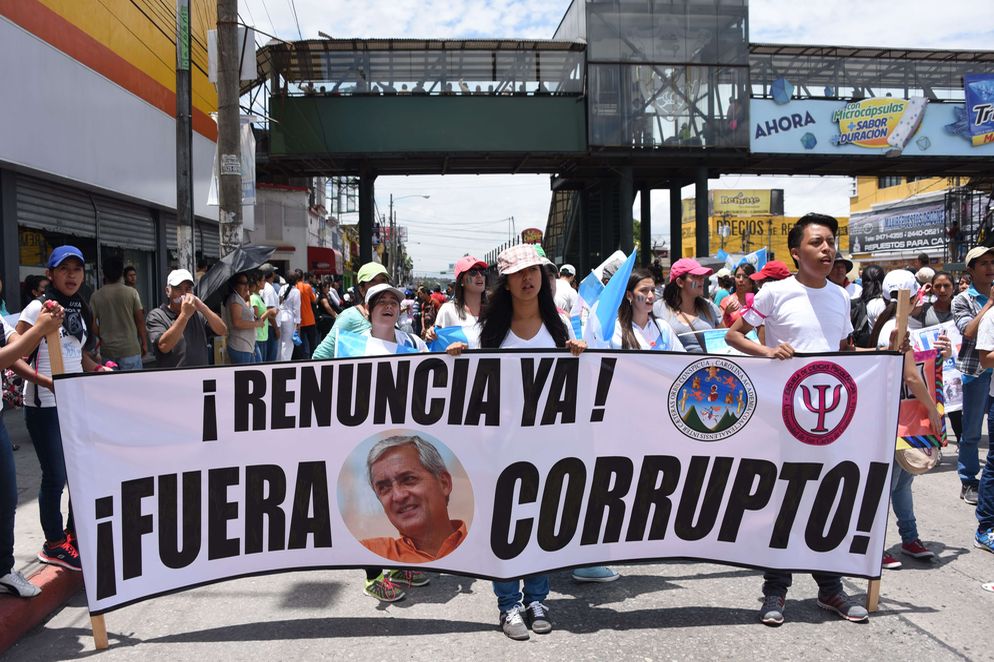
#RenunciaYa–Quit Already!

Morales will take office in the wake of Guatemala’s worst political crisis in decades, resulting in the resignations of President Otto Pérez Molina, Vice President Roxana Baldetti, and multiple cabinet members—all of whom are now prosecuted for their role in a massive corruption ring.”

Source: gimletmedia.com

How does an online movement become a revolution?  Much has been made about how much organizing for the Arab Spring was conducted online, but it still needed old-fashioned protesting, gathering in the streets, and controlling symbolic public spaces to add meaning to their movement.  This podcast shows the behind-the-scenes look at how a small online Facebook group against corruption in Guatemala, not only pulled down their targeted villain (the vice president), but also eroded support for the president that propped up the whole system.


Tags: Guatemala, political, podcast, Middle America.

Blog at WordPress.com.

Up ↑
