Search

GEOGRAPHY EDUCATION

Supporting geography educators everywhere with current digital resources.

Tag

Landscape

Death Valley’s Roving Rocks

Death Valley,California – Giant boulders in the desert look as though their moving all on their own! But could weird weather be behind these roving rocks

Source: www.youtube.com

Since the video above was created, the mystery has been solved.  On very rare occasions, when it rains in the region, water will accumulate in the playa (discovermagazine.com).  If the wind is powerful and consistent enough, the wind will push the panels of ice against these rocks and over time, the ice floes will push these rocks, leaving behind distinctive trails (latimes.com). This perfect combination of water, wind, ice and heat creates a remarkable signature on the landscape (livescience.com).  The video in this article (weather.com) nicely explains how the non-aerodynamic rocks of Death Valley’s Racetrack Playa move, leaving behind their trail in the hot desert.  Numerous attempts using GPS receivers (NatGeo.com) and good ol’ fashioned observations have been made, but observing ice in Death Valley is so rare that no one had ever seen it until now (phys.org).  


Tags: physical, geomorphology, landforms, desertlandscape.

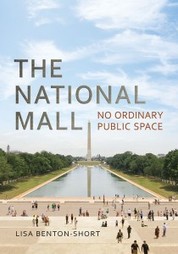
Unlocking The National Mall

Lisa Benton-Short, author of The National Mall: No Ordinary Public Space talks about the overlooked urban National park sites, getting inspired by her own neighbourhood, and more.

Source: utpblog.utpress.utoronto.ca

The National Mall has been transformed so much in that last 200 years.  Lisa Benton-Short, in this interview about her book says, “The Mall has been a place where I connect to American history and identity, and our country’s founding principles and ideals. It is place where you can feel the power of the monuments and memorials, the legacy of events, marches and protests. The Mall is an incredibly meaningful place. This book is the result of my intellectual curiosity as a scholar, but also my personal attachment to this place.”


Tags: historicalspace, monumentsplace, landscape.

The Subtle Design Features That Make Cities Feel More Hostile

Think your city doesn’t like you? You’re right.

Source: www.atlasobscura.com

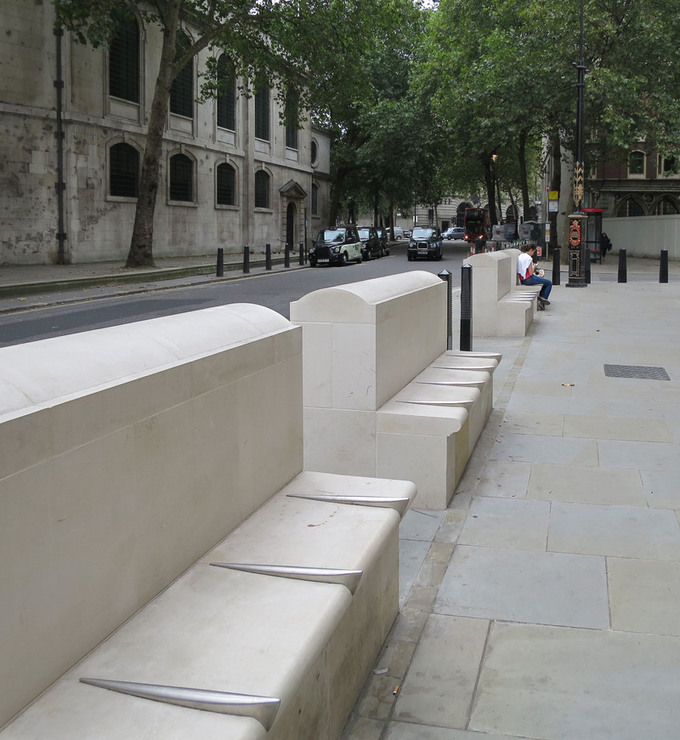
Geography explores more than just what countries control a certain territory and what landforms are there.  Geography explores the spatial manifestations of power and how place is crafted to fit a particular vision.  Homeless people are essentially always ‘out of place.’  These articles from the Society Pages, Atlas Obscura, the Atlantic and this one from the Guardian share similar things: that urban planners actively design places that will discourage loitering, skate boarding, and homelessness, which are all undesirable to local businesses.  This gallery shows various defensive architectural tactics to make certain people feel ‘out of place.’  Just to show that not all urban designs are anti-homeless, this bench is one that is designed to help the homeless (and here is an ingenious plan to curb public urination).  


Tags: urbanplanning, architecture, landscape, place, poverty.

Crafting a Sense of Place

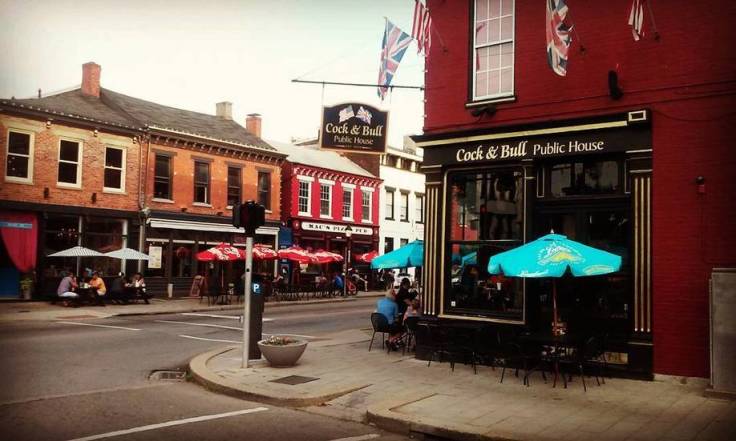
Talk about creating a sense of place! This neighborhood in #Covington draws on German roots to create a restaurant/pub district. Even the non-German restaurants in the area evoke an old world cultural landscape aesthetic in a way that makes the neighborhood appealing to visitors and prospective residents. #culturallandscape #placemaking.”


Source: www.instagram.com

I love exploring the cultural landscapes in and around Cincinnati every year during the #APHGreading.   


Tags: neighborhoodlandscapeurban, place, social media, APHG, Cincinnati


Can You Guess Where You Are in 60 Seconds?

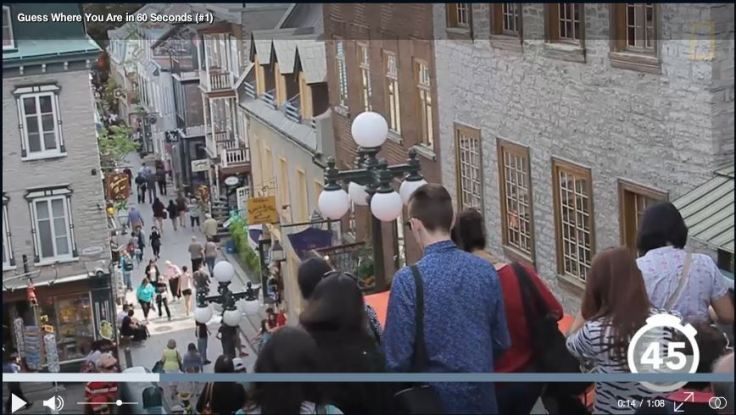
Can you guess where we are taking you today? Here’s a clue: This city’s name translates to “where the river narrows.”

Source: video.nationalgeographic.com

There is a delightfully simple premise to National Geographic video’s newest series: after seeing scenes from the cultural and physical landscapes of a place can you guess where in the world it is?  You can find more resources about this unnamed country (no cheating) here.   

Tags: images, placeculture, landscape, tourism

Stratocam: Google Earth Imagery

Via Scoop.itGeography Education

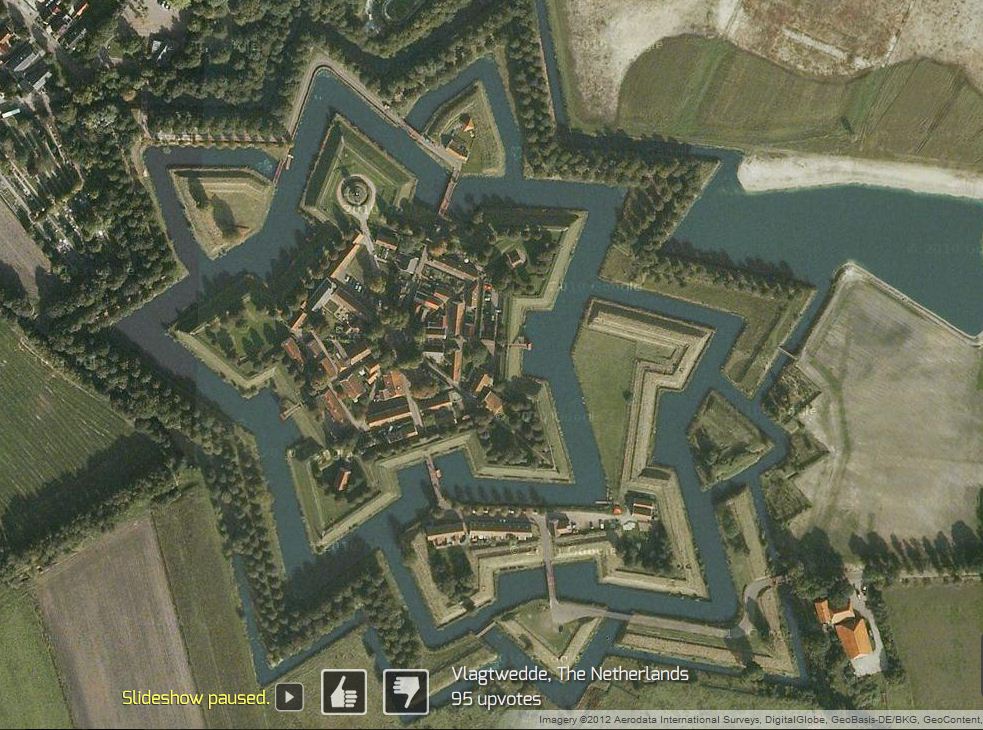
Explore and vote on the best Google Maps satellite imagery around the world.

Much like sites that you can rate items up or down, you can rate the best aerial photography via Google Earth screen shots.  There are some beautiful images and places to be discovered through this site.  The physical and human landscapes are both intermingled in this fantastic collection of images…be careful, it can be amazingly addictive.  For more from the producer of this site, see: http://paulrademacher.com or follow on twitter @paulrademacher.

Some of my personal additions to this gallery include the Paseo de la Reforma sector of Mexico City, Hamburg, Germany, Venice, Italy, Cape Cod, MA, Drumlin city of Friedrichshafen-Raderach in Southwest Germany, a meteor create lake, Pingualuit Lake in Northern Quebec, the Angkor Wat complex in Cambodia, the Great Salt Lake, UT, Citadella, Italy, Mexican Hat, Utah, Mesa Verde National Park, Colorado (zoom out for a fire-ravaged image) and the “Twelve Apostles” in Australia.

Via www.stratocam.com

Erosion: The White Cliffs of Dover

Via Scoop.itGeography Education

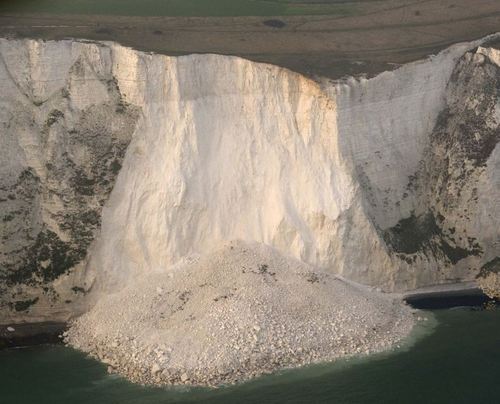
Thousands of tons of chalk from the famous White Cliffs of Dover have collapsed into the sea following a huge rockfall.

An excellent example of erosion and the processes that have shaped an iconic landscape.  The accompanying article has numerous pictures from a variety of angles that truly tell the story.

Via www.dailymail.co.uk

Google Earth in China

Via Scoop.itGeography Education

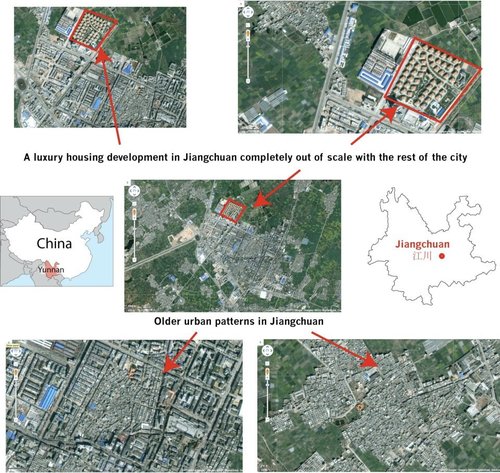
This gallery of Google Earth Screen shots primarily from Yunnan Province in Southern China (bordering Vietnam and Burma) brings some keen spatial analysis to those unfamiliar with the region.  This is also a great example of using geospatial technologies to interpret the cultural landscape–the merger of ‘people and pixels’ as the textbook of the same name encourages with classrooms.  While the quality of this work is above what would be expected of students, a Google Earth project designed to get students to reassess the spatial dynamics within their neighborhood or home state could lead some fantastic projects.
Via www.facebook.com

Create a free website or blog at WordPress.com.

Up ↑