I love the podcast “Everything Everywhere Daily” Podcast. As the title implies it’s an omnivorous exploration of fascinating topics, often focusing on interesting places or pivotal moments in history. Most are approximately 10-minute summaries and for exploring more about the middle East, these podcasts would be a great place to explore further. The links are to Apple Podcasts, but you can listen/search for it on any podcast platform. As you explore topics in the Middle East, the list below is an excellent place to start. Choose one! See where it takes you.

The 99 Percent Invisible podcast is an excellent one for geography teachers as well as students. So many episodes deal with the unspoken things that make our world the way it is—unnoticed architecture and design with a heavy dose of urbanism and the built environment. The particular episode has four “mini-stories” and each of them has some compelling geographic/landscape component to it.
- Jake Purcell Park (Public spaces, memorialization, and historical memory)
- The Hollywood Sign (Google Maps, Negative impacts of tourism, local resistance)
- Raccoon Resistance (Invasive species and Buddhist temples)
- Witch Windows (Local Architecture in the US South and Hong Kong’s Dragon Windows)
OMNIBUS
Also, here is a another great podcast with some trivia nerdiness from Ken Jennings (the Jeopardy champ who authored Maphead and presented at NCGE) is part of the Omnibus Project, a podcast with some excellent geographic nuggets (disclaimer: the language and content for this podcast is not always classroom-friendly). Here are some geographic episodes about Cincinnati Chili, Alexander von Humboldt, Induced Demand (traffic), the Qibla, the Blue Men of the Sahara, the Port Chicago Disaster, Bir Tawil, the Sentinelese, and the Darien Gap.


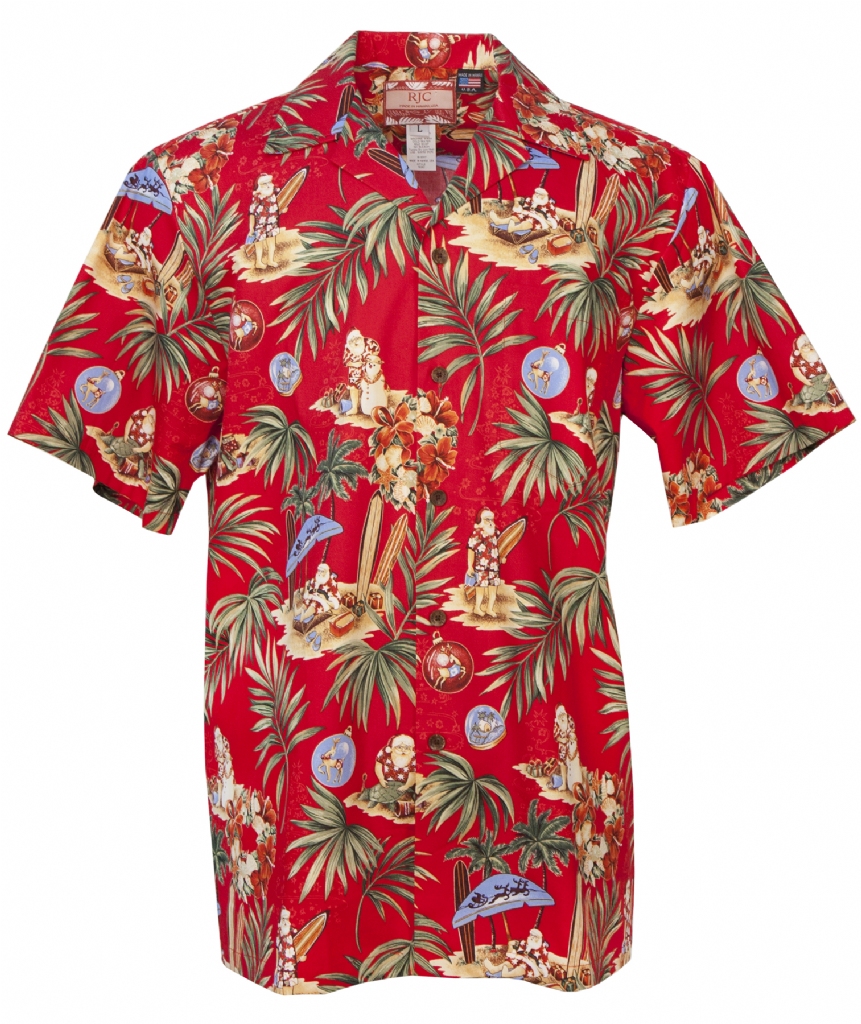
“There are a few ways to tell if you’re looking at an authentic, high-quality aloha shirt. If the pockets match the pattern, that’s a good sign, but it’s not everything. Much of understanding an aloha shirt is about paying attention to what is on the shirt itself. It’s about looking at the pattern to see the story it tells.” SOURCE: 99 Percent Invisible
An article of clothing is a product of the culture that made it and the place that it is from. If a place has a complex cultural history, with series of migrations that have shaped the place, then the cultural artifact might have a rich product as well. Such is the case with the Aloha shirt from Hawaii.
GeoEd Tags: 99pi, podcast, culture, migration, colonialism, unit 3 culture.
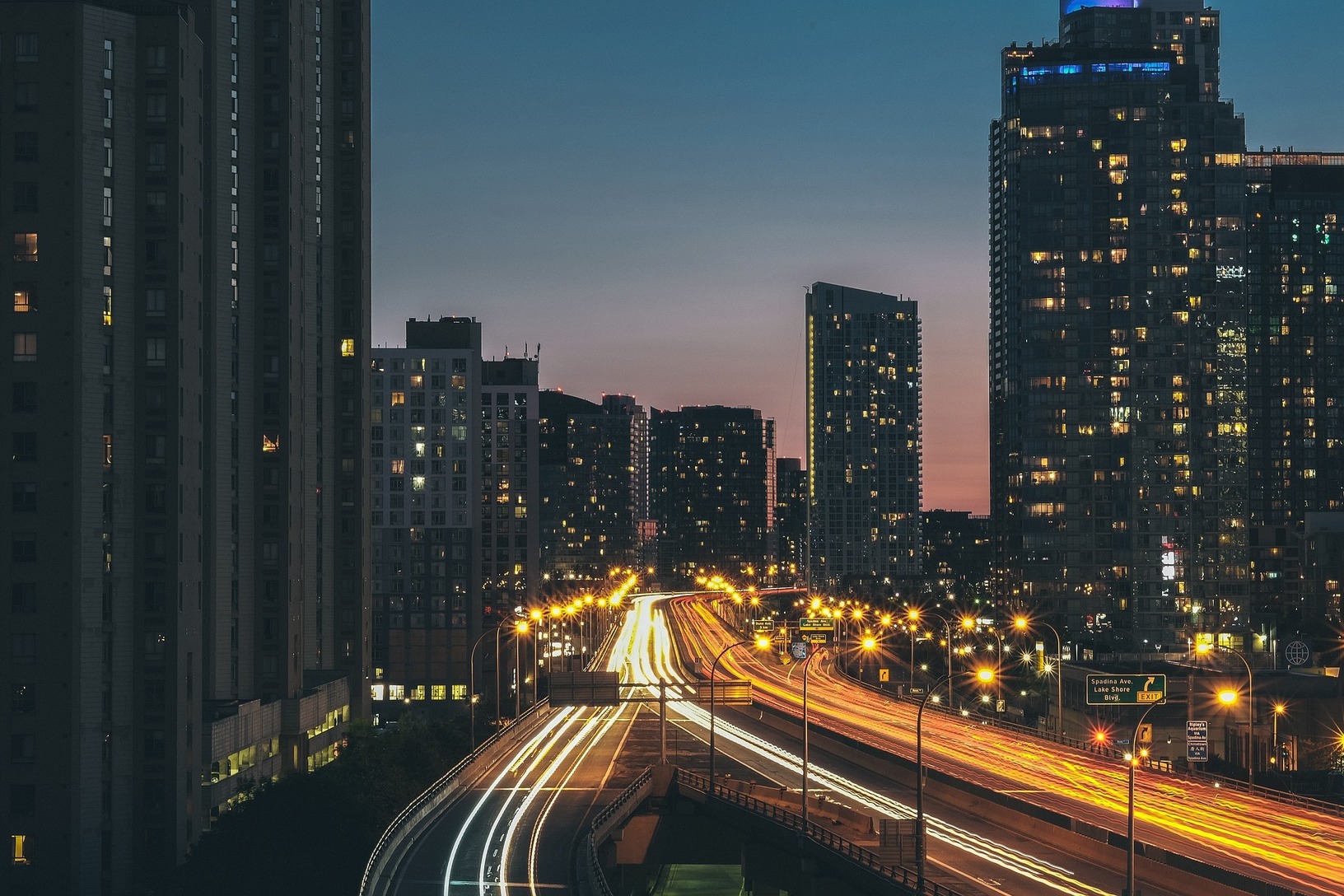
We are in the midst of a historic (and wholly unpredicted) rise in urbanization. But it’s hard to retrofit old cities for the 21st century. Enter Dan Doctoroff. The man who helped modernize New York City — and tried to bring the Olympics there — is now C.E.O. of a Google-funded startup that is building, from scratch, the city of the future.
Source: freakonomics.com
Urbanism isn’t just the study of urban geography as it is, but it also looks to use ideas of design, architectural, transportation, and sustainability to create better cities. This Freakonomics podcast looks at ways that New York City has changed, with ideas of how to start a new city being experimented with in Toronto. This 99PI podcast looks at European urbanist ideas that shaped many cities that were damaged during WWII (part II). Successful cities bring in more residents which bring higher housing costs–so can a city be too successful for it’s own good? San Francisco grapples with changing economic issues as it is too expensive to hire workers to fill low-skill jobs.
Tags: urbanism, podcast, architecture, transportation, housing, place, planning.
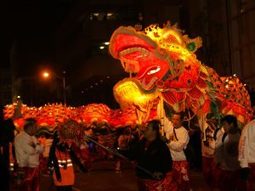
Every 12 years, there’s a spike in births among certain communities across the globe, including the U.S. Why? Because the Year of the Dragon, according to Chinese folk belief, confers power, fortune, and more. We look at what happens to Dragon babies when they grow up, and why timing your kid’s birth based on the zodiac isn’t as ridiculous it sounds.
Source: freakonomics.com
1976. 1988. 2000. 2012. We often assume that births on a graph in any given year will follow a smooth linear pattern similar to the years around it, but the Chinese zodiac and the mythical standing of the dragon can create spikes in diasporic communities away from the mainland. This economic podcast offers an interesting glimpse into the looks some of the communal impacts of a mini-baby boom and cultural reasons for these patterns.
Tags: Taiwan, podcast, population, demographic transition model, models, unit 2 population.
“The modern built environment in the United States is now totally dependent on air conditioning. A lot of our buildings would be uninhabitable in the summer without AC, and all of the electricity needed to keep it running.”
Source: 99percentinvisible.org
Like so many 99 percent invisible podcasts, this blends urban design, social geography, local history in a way that deepens our understanding of place. Air conditioning has powerfully reshaped so many geographic patterns that many of ways. Some mentioned in this podcast include: a) the rapid expansion of the Sun Belt, b) less climatically and regionally distinctive architecture can now be found in the cultural landscape, and c) an enormous amount of energy is consumed to maintain our hyper-cooled buildings (the U.S. now uses as much electricity for air conditioning as it did for all purposes in 1955).
Tags: podcast, architecture, housing, landscape, place planning.
“Dollar General stores thrive in low-income rural towns, and the deep-discount chain has opened hundreds of new shops in the past year.”
Dollar General is set to open 1,000 locations this year, for a total of more than 14,000 stores. It will have more stores than McDonald’s has restaurants in the entire country. That includes plenty of urban locations, but the chain’s bright yellow and black signs pop up about every 10 miles along many remote state highways. Like Walmart, it has rural roots. Dollar General started in small-town Kentucky. Al Cross, who runs the Institute for Rural Journalism at the University of Kentucky, says Dollar General competes with the world’s largest retailer on price and convenience.
Source: www.npr.org
There are 7,000 languages spoken on Earth. What are the costs — and benefits — of our modern-day Tower of Babel?
Source: freakonomics.com
These two podcasts are great mainstream looks at issues that filled with cultural geography content. So many languages on Earth is clearly inefficient (the EU spends $1 billion per year on translation), and yet, linguistic diversity is such a rich part of humanity’s cultural heritage. Listen to the first episode, Why Don’t We All Speak the Same Language? as well as the follow-up episode, What Would Be the Best Universal Language?
Tags: language, culture, worldwide, English, regions, diffusion, technology.
For centuries, South Asia has had its own Khawaja Sira or third gender culture. Now, some third gender people in Pakistan say the modern transgender identity is threatening their ancient culture.
Source: www.pri.org
Sometimes our assumptions about a society, and how they might react to cultural issues are just that…assumptions. I for one was very surprised to learn that Pakistan had a a traditional third gender.
Tags: culture, development, podcast, gender, Pakistan, sexuality, South Asia, religion.