Search

GEOGRAPHY EDUCATION

Supporting geography educators everywhere with current digital resources.

Tag

political

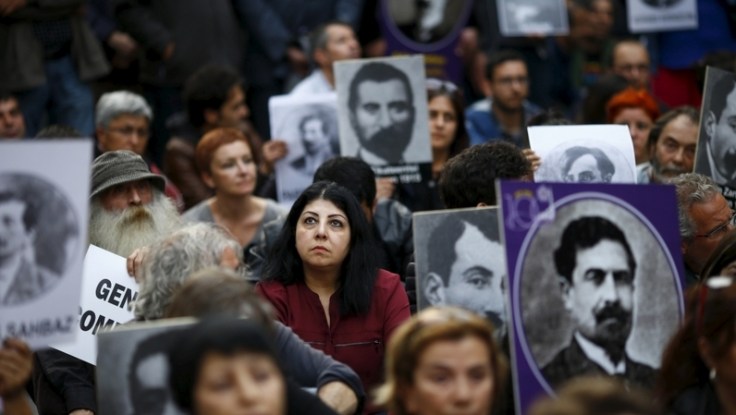
Why Germany’s recognition of Armenian genocide is such a big deal

Armenian American journalist Liana Aghajanian says the German parliament’s decision is all the more groundbreaking because it was a politician of Turkish descent who pushed it through.


The German Bundestag’s overwhelming vote last week in favor of this resolution, with just one vote against and one abstention, brought both gratitude and anger. Armenian communities, many of them descendants of genocide survivors who are dispersed across the world, are grateful. Turkey, however, was incensed and recalled its ambassador to Germany. Many Turks see the vote as not just a threat to longstanding German-Turkish relations, but to Turkish national identity.

Source: www.pri.org

I’ve posted in about the Armenian genocide in the past, and until Turkey acknowledges that it was a genocide, this issue will continue to fester.  Considering that Germany has a large Turkish population and an obvious historical connection to genocide, this recognition is far more important some other random country taking this stance. 


TagsArmenia, genocidepolitical, conflict, TurkeyGermanywar, historical.  

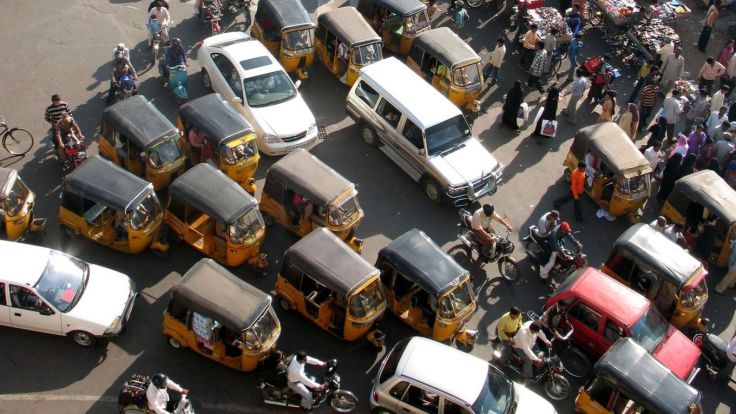
Bad drivers are a good indicator of a corrupt government

“Traffic accidents kill 1.25 million people per year, and it’s well-known that those deaths are disproportionately in low- and middle-income countries. Over at CityMetric, writer James O’Malley has added an interesting wrinkle, by showing a correlation between the number of traffic fatalities in a country and the corruptness of its government.”

Source: qz.com

I love the last paragraph in this article because it echoes the “Broken Windows” theory–not at the neighborhood scale, but for the state.  Horrible driving isn’t the worse thing for a country, but it is indicative of the degree of social trust in each other and in the collective system; corruption erodes both. 


“Bottom line: If you’re in a country where everyone drives on the sidewalk and nobody stops at stop signs, you can be pretty sure the government isn’t working right.”


Tags: political, governancetransportation.

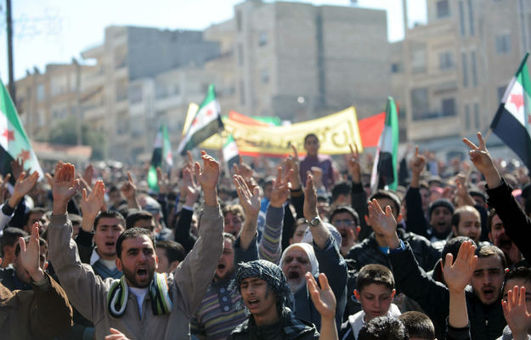
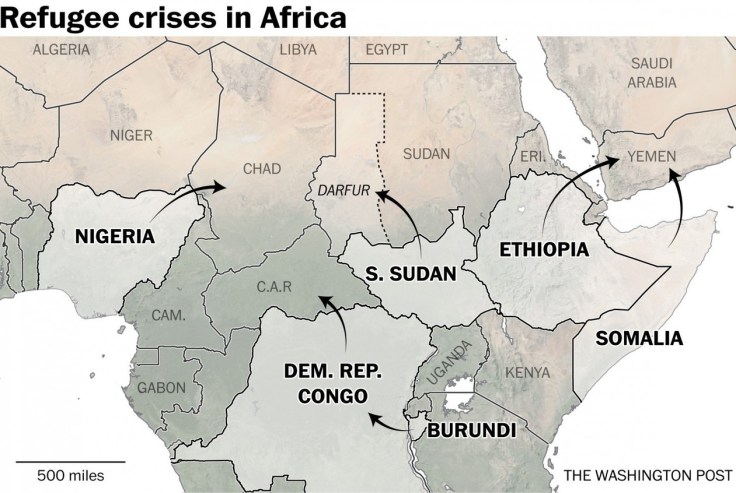
Why Africa’s migrant crisis makes no sense to outsiders

“Violence and insecurity are so bad that other war-torn countries have become sites of refuge.”


In 2015, nearly 100,000 Ethiopians and Somalis traveled by boat to Yemen, one of the world’s most dangerous countries. Last year, nearly 5,000 citizens of Congo, which is fighting powerful rebel groups, were seeking refuge in the Central African Republic, itself torn apart by civil war. And yet 10,000 Burundians have fled their country’s own growing civil unrest for Congo. Thousands of Nigerians escaping the extremist Islamist group Boko Haram have gone to Chad, where different strains of that same insurgency conduct frequent deadly attacks. 


Developing countries have long taken in a disproportionate number of the world’s refugees — roughly 80 percent, according to the United Nations. But even for migration experts and relief workers, the willingness of refugees to leave one war for another is shocking. It’s also proving an enormous challenge for humanitarian agencies, which are already overstretched and often not equipped to welcome refugees in countries that are still racked by conflict.


Tags: refugeesAfrica, migration, conflict, political, war

Source: www.washingtonpost.com

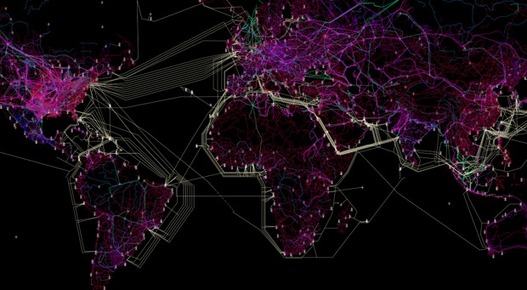
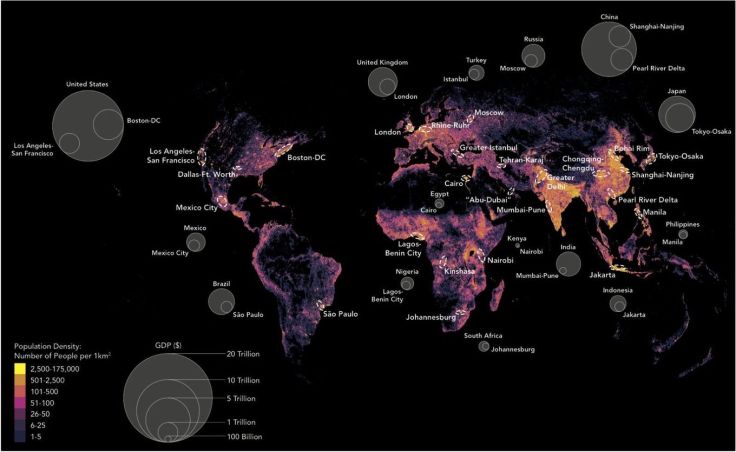
Megacities, not nations, are the world’s dominant, enduring social structures

“Cities are mankind’s most enduring and stable mode of social organization, outlasting all empires and nations over which they have presided. Today cities have become the world’s dominant demographic and economic clusters.”

Source: qz.com

This map is a sneak peek preview from the new book Connectography by Parag Khanna.  This main point of the book and article is that economic and social connectivity is the new driving force is of geopolitics, not just global economics.  Supply chains matter more than borders and the largest cities are the controlling nodes of those supply chains.  


Tags: political, globalization, urbaneconomic.

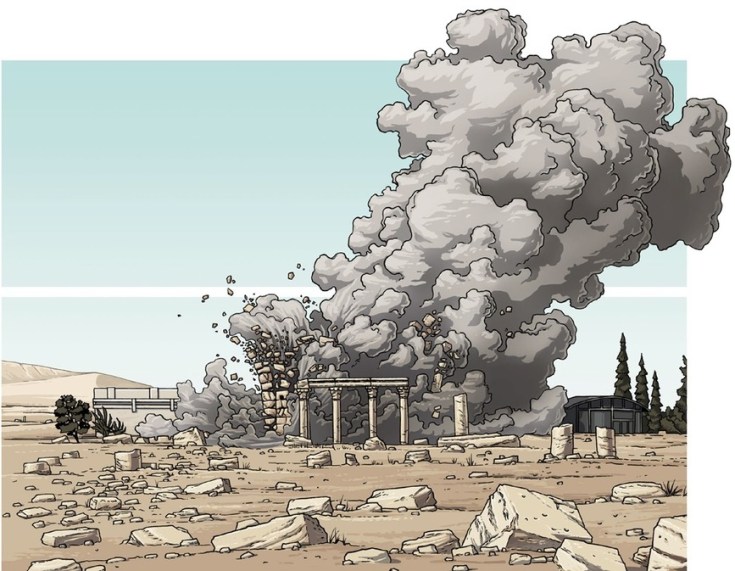
Looting and Conflict: The ISIS Antiquities Pipeline

“Since the outbreak of the civil war in Syria in 2011, ISIS has looted ancient sites, using the plunder to help finance its operations.”

Source: www.nationalgeographic.com

This short comic-book style interactive from National Geographic is incredibly well-done and very engaging.


Tags: National Geographic, Syria, political, terrorism, ISIS, historical.

There has never been a country that should have been so rich but ended up this poor

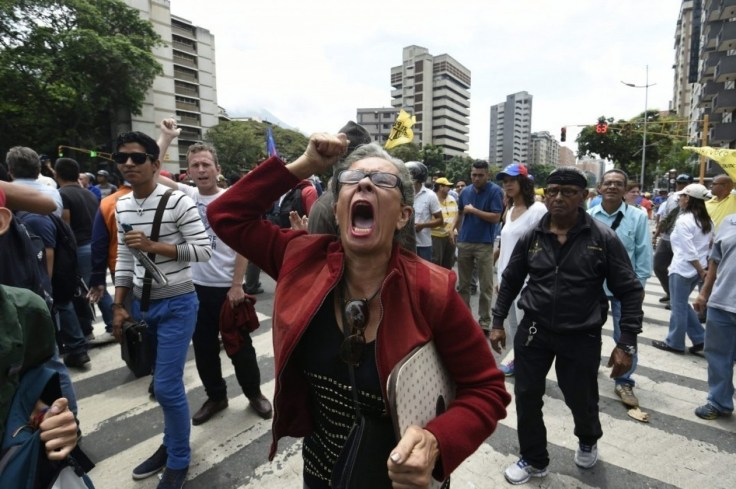
“Venezuela has become a failed state.  According to the International Monetary Fund’s latest projections, it has the world’s worst economic growth, worst inflation and ninth-worst unemployment rate right now. It also has the second-worst murder rate, and an infant mortality rate that’s gotten 100 times worse itself the past four years. And in case all that wasn’t bad enough, its currency, going by black market rates, has lost 99 percent of its value since the start of 2012. It’s what you call a complete social and economic collapse. And it has happened despite the fact that Venezuela has the world’s largest oil reserves. Never has a country that should have been so rich been so poor.  There’s no mystery here. Venezuela’s government is to blame–which is to say that Venezuela is a man-made disaster. It’s a gangster state that doesn’t know how to do anything other than sell drugs and steal money for itself.”


Tags: Venezuela, South America, op-ed, economic, political, governance.


Source: www.washingtonpost.com

How Many People Have Been Shot in Your Neighborhood This Year? This Map Will Tell You.

“Thanks to a nonprofit, nonpartisan project known as the Gun Violence Archive, data on gun homicides and nonfatal shootings is now available well before the federal government releases its statistics. Those data include location information that makes it possible to plot those shootings on a map showing how many have taken place in your vicinity.”

Source: www.slate.com

Perspectives of gun rights and public safety are highly divided.  Part of those divisions are ideological, but there are also big differences between urban and rural America.  This map of the NRA’s “report card” on the legislators of Congress shows some pretty powerful spatial patterns.  This interactive map of people how have been shot this year shows a decidedly differnt pattern that the first.  


Questions to Ponder: How do most people feel about the second amendment where you live?  What about your local geography might influence those opinions? 

How Many People Have Been Shot in Your Neighborhood This Year? This Map Will Tell You.

“Thanks to a nonprofit, nonpartisan project known as the Gun Violence Archive, data on gun homicides and nonfatal shootings is now available well before the federal government releases its statistics. Those data include location information that makes it possible to plot those shootings on a map showing how many have taken place in your vicinity.”

Source: www.slate.com

Perspectives of gun rights and public safety are highly divided.  Part of those divisions are ideological, but there are also big differences between urban and rural America.  This map of the NRA’s “report card” on the legislators of Congress shows some pretty powerful spatial patterns.  This interactive map of people how have been shot this year shows a decidedly differnt pattern that the first.  


Questions to Ponder: How do most people feel about the second amendment where you live?  What about your local geography might influence those opinions? 

The Toll in Gaza and Israel, Day by Day

The daily tally of rocket attacks, airstrikes and deaths in the conflict between Israel and Hamas.

Source: www.nytimes.com

As the violent nature of the Israeli Palestinian conflict has escalated, this NY Times article monitors the major points of the last few weeks.  The possibility of ‘Peace in the Middle East’ feels so remote, and this Onion article parodies the difficulties of actually achieving this.  On a personal note, Chad Emmett taught the “Geography of the Middle East” course while I was at BYU and I’ve always appreciated his perspective; here are his thoughts on recent events.  


Tags: Israel, Palestine, conflict, political, borders.

Blog at WordPress.com.

Up ↑