Search

GEOGRAPHY EDUCATION

Supporting geography educators everywhere with current digital resources.

Tag

SouthEast Asia

Left For Dead: Myanmar’s Muslim Minority

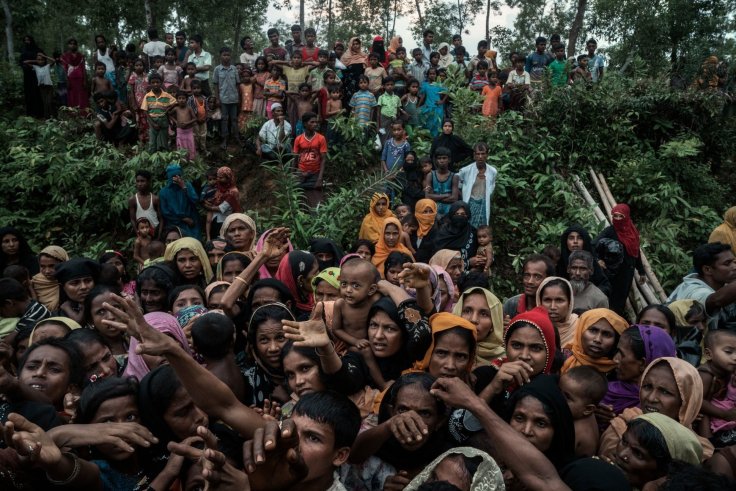
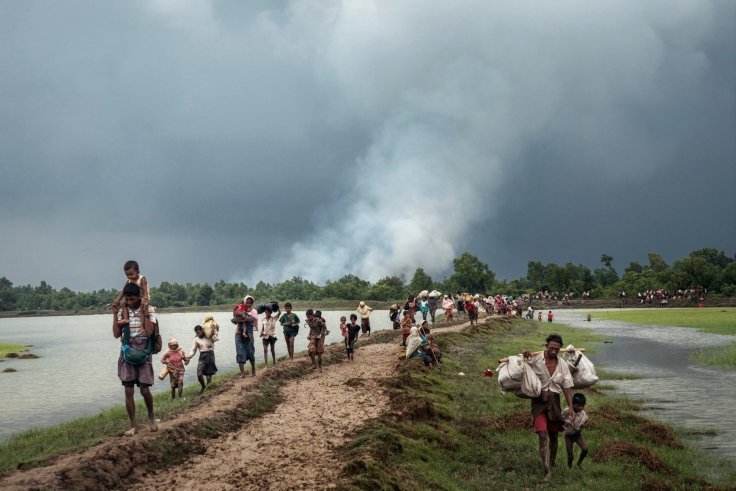
In recent years, democratic reforms have swept through Myanmar, a country that for decades was ruled by a military junta. As the reforms took hold, however, things were growing progressively worse for the Rohingya, a heavily persecuted ethnic Muslim minority concentrated in the country’s western state of Rakhine. The 2012 gang rape and murder of a Buddhist woman by three Muslim men ignited violent riots in which hundreds were killed as Rakhine Buddhists and Rohingya attacked each other. In the following months, tens of thousands of Rohingya were rounded up and forced to live in squalid camps; Human Rights Watch deemed the attacks crimes against humanity that amounted to ethnic cleansing of the Rohingya. Thousands of Rohingya have since attempted to leave the country, fueling the region’s intricate and brutal human trafficking network.


Tags: Rohingyagenocide, migration, politicalconflict, refugeesBurma, Southeast Asia.

Source: www.youtube.com
Teaching About the Rohingya Crisis in Myanmar

“Why are hundreds of thousands of Rohingya refugees fleeing Myanmar? Who are the Rohingya and why are they being persecuted? What responsibility does the world have to end what the United Nations is calling ‘ethnic cleansing’ and many are labeling ‘genocide’? In this lesson, students will first learn about the crisis unfolding in Myanmar using Times reporting, videos, podcasts and photography. Then, we suggest a variety of activities for going deeper, such as tackling universal questions about national identity and minority rights, considering the responsibility of the world community, and going inside the squalid refugee camps sprawling across the border in Bangladesh.”

Source: www.nytimes.com

This issue is not as firmly fixed in our minds as it should be.  So much of our media’s attention is on less substantial issues, that when they compile resources for teachers on a subject like this, it deserves mentioning.  Even if you have already read your 10 free monthly articles from the NY Times, you can still watch the video embedded in the lesson.  Attached is a worksheet that I will be using in my classes (feel free to adapt and use).

Tags: Rohingyagenocide, migration, politicalconflict, refugeesBurma, Southeast Asia.


The Rohingya in Myanmar: How Years of Strife Grew Into a Crisis

Life has long been fraught for a Muslim minority in mainly Buddhist Myanmar, but the recent “ethnic cleansing” has sent Rohingya fleeing en masse.

Source: www.nytimes.com

Many students have asked the question “Who are the Rohingya?” The Muslim minority group, concentrated near the Bangladeshi has a long history of marginalization. Its members lack full citizenship in Myanmar (Burma), and many in Myanmar deny that the Rohingya are a native ethnic group, claiming that they are recent Bengali immigrants. Now, fierce clashes between security forces and Rohingya militants left hundreds dead and entire villages torched to the ground. Hundreds of thousands of Rohingya have fled over the border into Bangladesh.


Tags: migration, politicalconflict, refugeesBurma, Southeast Asia.

My Family’s Slave

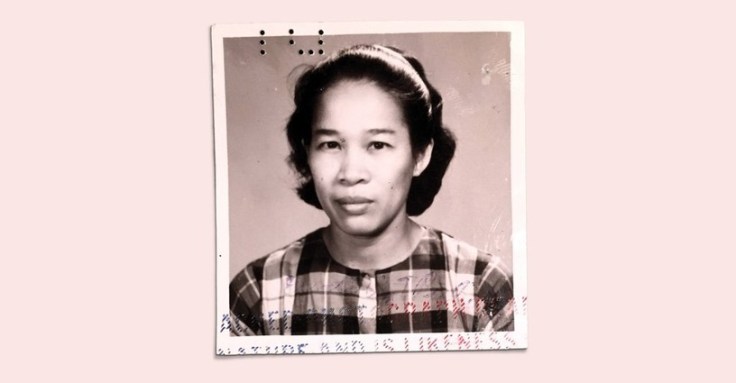
She lived with us for 56 years. She raised me and my siblings without pay. I was 11, a typical American kid, before I realized who she was.


The Spanish Crown eventually began phasing out slavery at home and in its colonies, but parts of the Philippines were so far-flung that authorities couldn’t keep a close eye. Traditions persisted under different guises, even after the U.S. took control of the islands in 1898. Today even the poor can have utusans or katulongs (“helpers”) or kasambahays (“domestics”), as long as there are people even poorer. The pool is deep.

Source: www.theatlantic.com

This article created a huge stir from the moment it was published, especially within the U.S. Filipino community.  Slavery is reprehensible, but to most people today, it is incomprehensible to imagine how one human could ever enslave another.  This story of a Filipino family that brought a ‘domestic worker’ with them to the United States is a riveting tale that offers glimpses into the cultural context of modern-day slavery.  The author was born into this family and it’s a painful tale intermingled with agony, love, cruelty, tenderness, guilt, and growth.  This article is a long read, but well worth it.  You can listen to a 55-minute audio version of the article, or also listen to the NPR 5-minute version.    


Tags: migrationlaborPhilippines, culture.

The Spice Trade’s Legacy

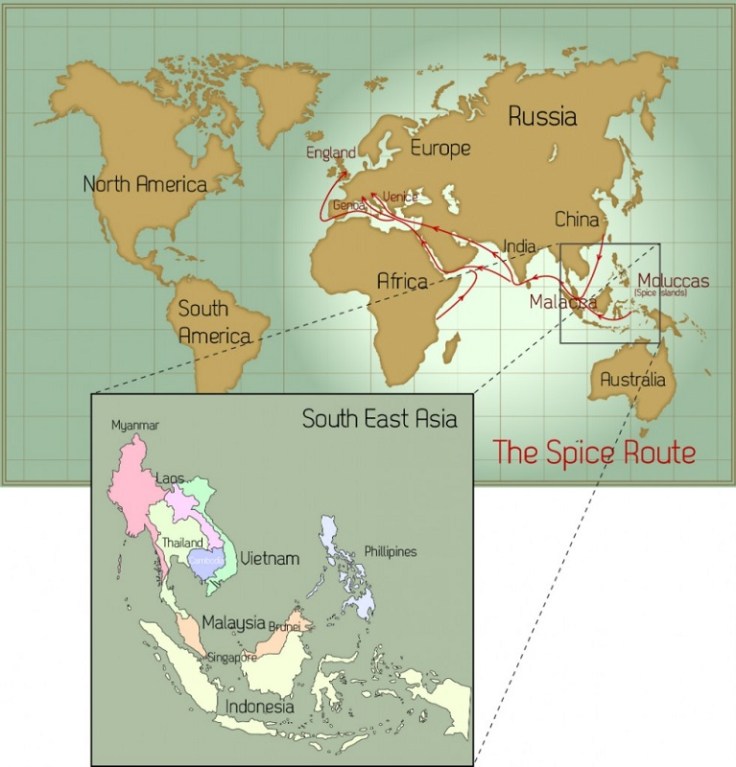
“In its day, the spice trade was the world’s biggest industry. It established and destroyed empires and helped the Europeans (who were looking for alternate routes to the east) map the globe through their discovery of new continents. What was once tightly controlled by the Arabs for centuries was now available throughout Europe with the establishment of the Ocean Spice Trade route connecting Europe directly to South Asia (India) and South East Asia.”

Source: cleanfooddirtygirl.com

The spice trade changed how we eat forever but it did so much more.  The fall of Constantinople to the Ottoman Empire cut off Europe from the vital trade routes to the east and access to the most prized commodities of the day.  What drove European exploration to get around Africa and to cross the Atlantic?  It was to reshape their situation location relative to the economic networks that shaped the emerging global economy.  In essence, the spice trade reshaped the fortunes and trajectories of several major world regions.   


Tags: Southeast Asia, food productiondiffusionglobalization, agriculture, economicindustry, economic, historical, regions.

The other Asian tiger

“Vietnam’s success merits a closer look.”


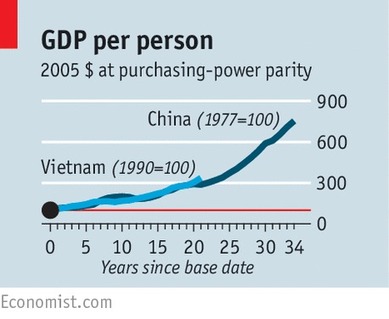
Which Asian country has roared ahead over the past quarter-century, with millions of its people escaping poverty? And which Asian economy, still mainly rural, will be the continent’s next dynamo? Most would probably respond “China” to the first question and “India” to the second. But these answers would overlook a country that, in any other part of the world, would stand out for its past success and future promise.

Vietnam, with a population of more than 90m, has notched up the world’s second-fastest growth rate per person since 1990, behind only China. If it can maintain a 7% pace over the next decade, it will follow the same trajectory as erstwhile Asian tigers such as South Korea and Taiwan. Quite an achievement for a country that in the 1980s was emerging from decades of war and was as poor as Ethiopia.


Tags: Vietnam, globalizationdevelopment, economic, SouthEastAsia.

Source: www.economist.com

Mekong Delta fights losing battle against salt water

Vietnam’s rice region is facing the worst drought to date. Over half a million people have been affected, and the country could lose one million tons of its staple food.Leaders of six countries along the Mekong River met in China to discuss the relief measures.

Source: www.youtube.com

Economic progress for some often entails job loss and environmental degradation for others.  As dams upstream are slowing the flow of the Mekong River, the low-lying delta that is a rich agricultural region is facing the ocean water that is moving further inland.  The once isolated and remote Mekong is experiencing some impacts of globalization. 


Tags: fluvial, waterVietnamagriculture, SouthEastAsia.

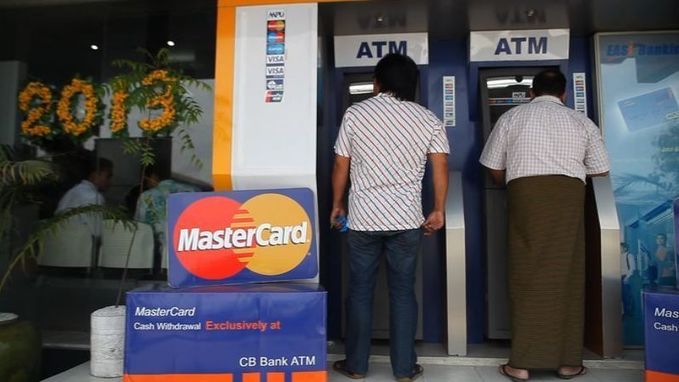
How To Get A Country To Trust Its Banks

“It’s something you can see on every block in most major cities. You probably see one every day and never give give it a second thought. But in Yangon, Myanmar in 2013, an ATM was a small miracle. For decades, Myanmar was cut off from the rest of the world. There were international sanctions, and no one from the U.S. or Europe did business there.”

Source: www.npr.org

We often assume that one form of technology, a system, institute should work equally well where ever it is.  But the nuances of cultural geography mediate how societies interact with technological innovations, and as demonstrated in this Planet Money podcast, “People in Myanmar (Burma) were reluctant to use ATMs because they didn’t trust the banks. They weren’t sure that the machines would actually give them their money.”  


Tags: Burma, Southeast Asia, poverty, development, economicpodcast.

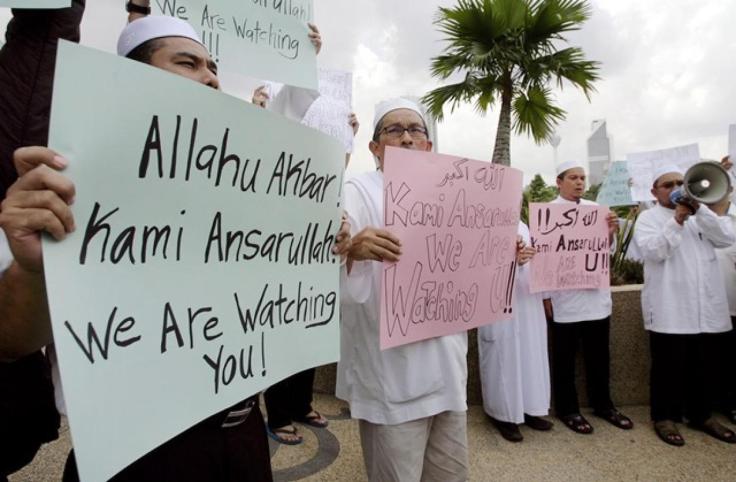
Malaysia’s ‘Allah’ controversy

Is limiting the use of the Arabic word for God a sign of growing intolerance towards minorities?

Source: stream.aljazeera.com

In Arabic, the word Allah means God.  Christian Arabs refer to God as Allah and Arabic versions of the Bible reference Allah.  As Arabic and Islam have diffused in interwoven patterns, the linguistic root and the theological meanings have became intertwined to some.  BBC World and Al-Jazeera have reported on this issue as the Malaysian government has attempted to ban the use of the word Allah to any non-Muslim religious group.  Language and religion just got very political.  

Tags: languagereligion, political, Malaysia, SouthEastAsia, culture, Islam.

Create a free website or blog at WordPress.com.

Up ↑