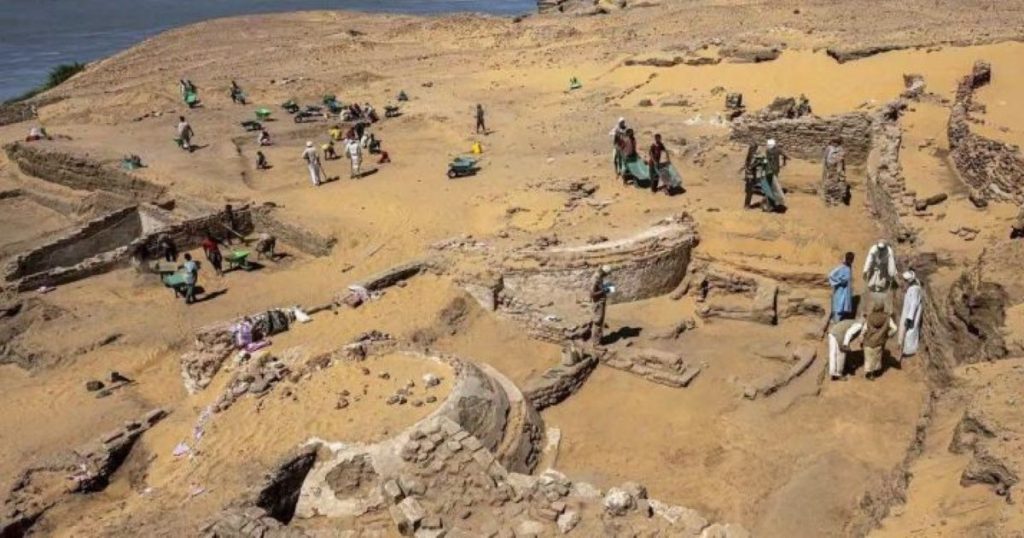
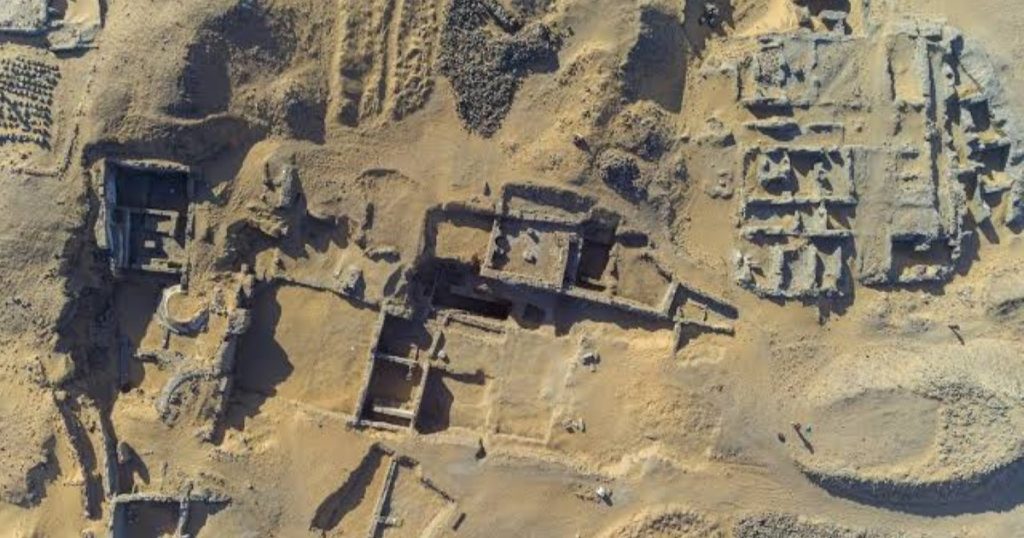
Archaeologists have unearthed the original floor of a monumental medieval cathedral in northern Sudan that could be bigger than the White House, revealing the scale and architectural significance of one of Nubia’s most important Christian buildings. SOURCE: AP News
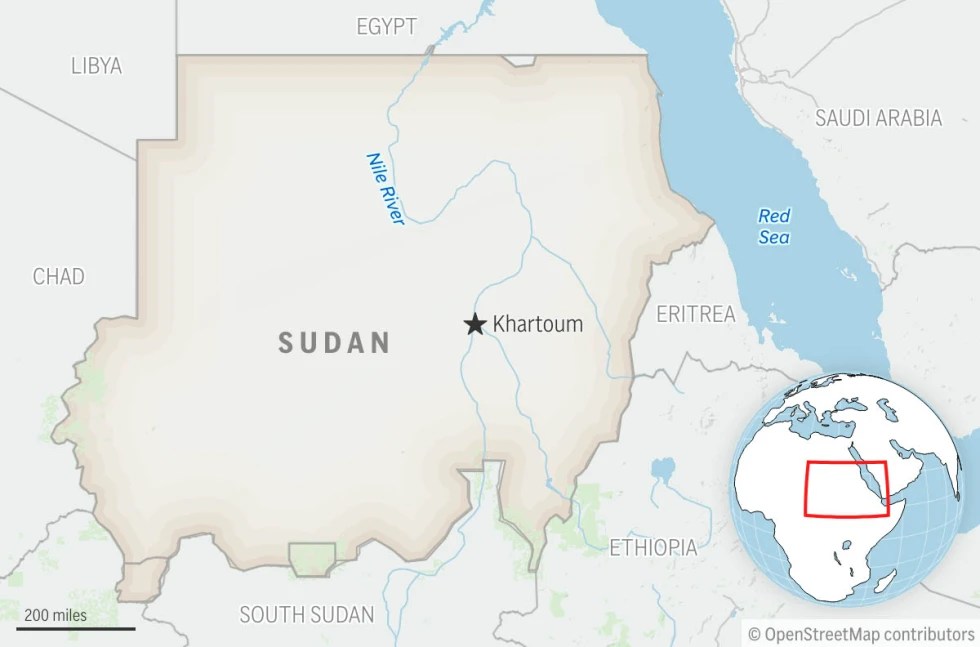
Expect the unexpected! If we forget that history has been rewriting our regional geographies, we will be continually shocked. I’ll admit, I was shocked by this one; I hadn’t ever considered the religious geography of what is now Sudan between the time of the Ancient Egyptian and the spread of Islam. Of course there would have been Christians in this area, given the Coptic Christians in Egypt and Ethiopia being one of the first Christian countries in the world (330 AD). A Sudanese-Polish team found this grand cathedral in at the Old Dongola archaeological site.
Often archaeological digs have ideological motivations. Sure, the archaeologist aren’t falsifying their results, but would Christians be motivated to unearth proof of Christianity in a place that is Islamic today? Would Jewish teams want to find Biblical sites in contested territory? Would Native Americans be eager to find pre-European settlements in North America? In all of these scenarios, there is the pursuit of truth, but there is also a pursuit to amplify certain truths that can be used to strengthen a particular telling of history. Heritage, a selective telling of the past to promote a certain telling, is visible in the cultural landscape, but also in how we generate knowledge, embedded in the questions we ask, the research that gets funded, and the information that gets highlighted and amplified.




Leave a Reply