Search

GEOGRAPHY EDUCATION

Supporting geography educators everywhere with current digital resources.

Why It’s a Big Deal That Half of the Great Lakes Are Still Covered in Ice

See on Scoop.it – Geography Education

“More than 200 million tons of cargo, mostly iron ore, coal, and grain, travel across the Great Lakes throughout the year. Even a little ice can make a big dent on this total. Only three shipments of coal were loaded up during March – 69 percent less, by volume, than last year.  A sluggish start to the shipping season is just one of the cascading effects of the Midwest’s cold and icy winter. Some are good, and will allow the region to recover from years of historically low water levels. Others, like this delayed shipping season, less so.”

See on www.theatlanticcities.com
Can You Identify These Cities From Their Light Signatures?

See on Scoop.it – Geography Education

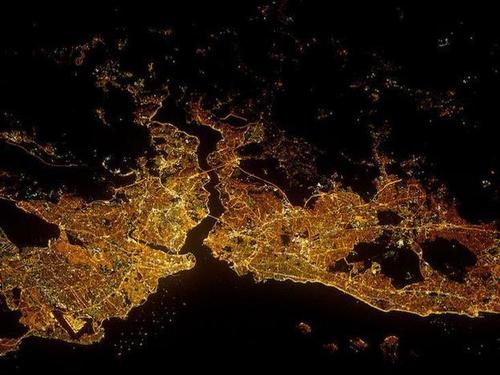
“The light that a city emits is like its glowing fingerprint. From the orderly grid of Manhattan, to the sprawling, snaking streets of Milan, to the bright contrast of Kuwait’s ring-roads, each city leaves its own pattern of tiny glowing dots. See if you can ID these cities based on the way they shine.”

Seth Dixon‘s insight:

This short quiz of 16 cities combines several analytic components of geography that you won’t see in more standard map quizzes for regional geography;  this draws on some similar skills similar to the map quiz that was based on identifying the city based on Starbucks locations.  Some recognition of local spatial patterns from previous map analysis can make this quiz easier but there are still some cities that you haven’t ever looked at from space before.  Things to consider as you attempt this quiz:  Which of the four possible selections can you rule out out?  What enabled you to eliminate those selections (e.g.-coastal, scale, size, grid pattern, transportation systems, density, etc.)?  What does to layout of the city tell us about the planning and historical origins of the city?  Is there one urban model that best helps us explain the configuration of this city?     

Tags: urban, models, planning, density, urbanism, unit 7 cities, trivia.

See on nautil.us

Largest glacier calving ever filmed

See on Scoop.it – Geography Education


“On May 28, 2008, Adam LeWinter and Director Jeff Orlowski filmed a historic breakup at the Ilulissat Glacier in Western Greenland. The calving event lasted for 75 minutes and the glacier retreated a full mile across a calving face three miles wide. The height of the ice is about 3,000 feet, 300-400 feet above water and the rest below water.”

Tags: physical, geomorphology, landforms, erosion, climate change, Greenland.

See on www.youtube.com

Quebec Voters Say ‘Non’ to Separatists

See on Scoop.it – Geography Education

“Quebec voters gave a resounding no to the prospects of holding a third referendum on independence from Canada, handing the main separatist party handing the main separatist party in the French-speaking province one of its worst electoral defeats ever.”  

Quebec, which is 80 percent French-speaking, has plenty of autonomy already. The province of 8.1 million sets its own income tax, has its own immigration policy favoring French speakers, and has legislation prioritizing French over English.  But many Quebecois have long dreamed of an independent Quebec, as they at times haven’t felt respected and have worried about the survival of their language in English-speaking North America.

Tags: Canada, political, conflict, devolution.

See on www.nbcnews.com

California’s Drought

See on Scoop.it – Geography Education

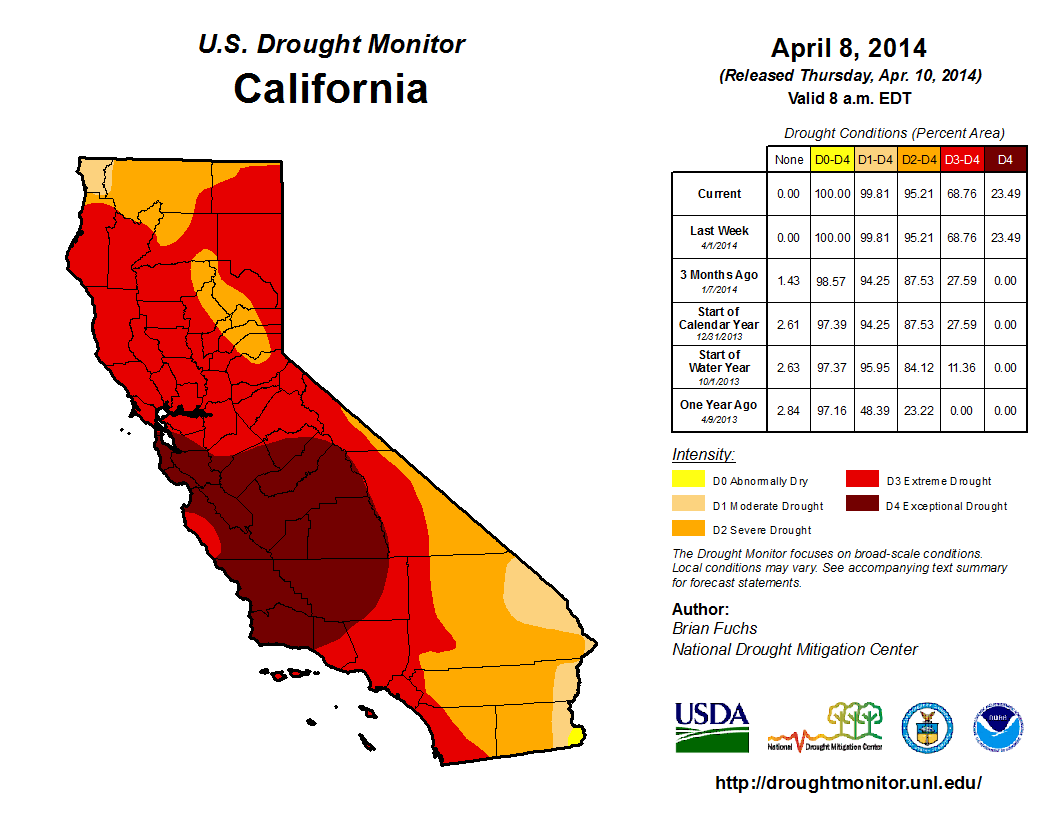
“California has had three consecutive years of below average rainfall and most reservoirs are far below their designed capacity; for a state with a growing population with limited water resources this is alarming news that has many politicians, officials and residents worried. This winter was especially mild; nice for bragging to friend back East about how gorgeous the weather is during a polar vortex spell, but horrible for the snow pack and accumulation.”

Seth Dixon‘s insight:

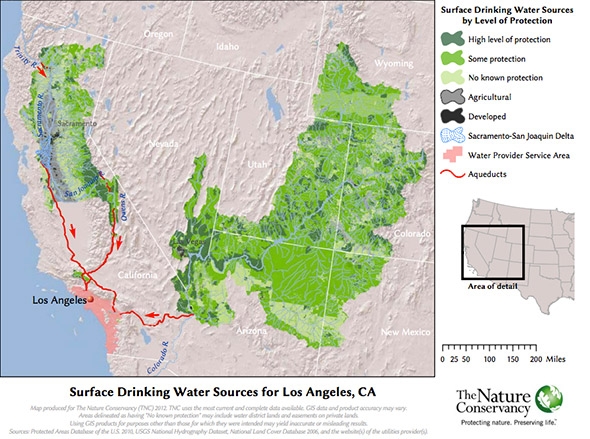
Most of California’s water originates for the snow pack in Western mountains ranges so this drought is expected to get worse this summer. The major urban areas have limited local water resources so they draw water from large area to bring in sufficient water for these burgeoning metropolitan regions.

20140408_CA_trd

Questions to Consider: What are some reasons (both from human and physical geography) for this severe drought? What can be done in the short-term to lessen the problem? What can be done to make California’s water situation better for the next 50 years?

Tags: physical, weather and climate, consumption, California, Los Angeles, water, environment, resources, environment depend, urban ecology.

See on geographyeducation.org

LA water

New York City’s Disappearing Mom-and-Pop Storefronts

See on Scoop.it – Geography Education

unknown-white.jpg__1072x0_q85_upscale

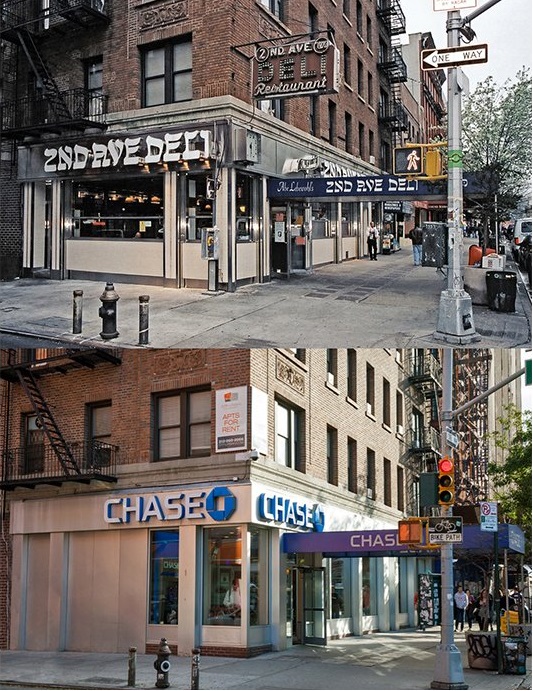
Two photographers set out to see what happened to small family businesses in New York City in a decade.

Seth Dixon‘s insight:

The cultural landscapes of neighborhoods can change quickly as larger global economic forces restructure the places.  This is a great gallery of photos from the Smithsonian to document these changes in New York City.  Many mourn the passing of what once was as the landscape continues to be made and remade but subsequent generations.

Tags: culture, landscape, NYC, economic, urban,  place, neighborhood.

See on www.smithsonian.com


Culture Ministry Affirms ‘Russia is not Europe’

“A state commission working on a much-discussed report titled ‘Foundations of State Cultural Politics’ will release their findings in two weeks, presidential advisor Vladimir Tolstoi announced last week, adding that the basic formula of the report could be summarized as ‘Russia is not Europe.‘”

At times Russia has sought to be perceived as a part of Europe only to be excluded in the minds (and institutions) of Western Europe.  Now, in a discursive way to protect itself, it is reaffirming and building a cultural buffer zone between Europe and Russia.  What are the borders of Europe as you think of it?  Can world regions change over time?  Any examples of regions having their borders redrawn?  

Tags: Russia, Europe, regions.

See on www.themoscowtimes.com

How architectural innovations migrate across borders

See on Scoop.it – Geography Education

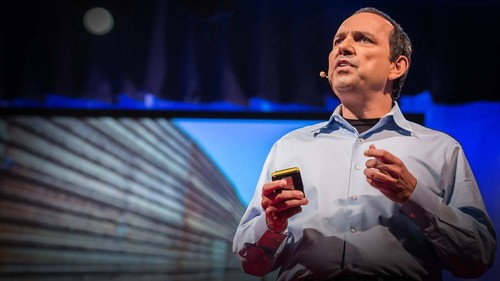
“As the world’s cities undergo explosive growth, inequality is intensifying. Wealthy neighborhoods and impoverished slums grow side by side, the gap between them widening. In this eye-opening talk, architect Teddy Cruz asks us to rethink urban development from the bottom up. Sharing lessons from the slums of Tijuana, Cruz explores the creative intelligence of the city’s residents and offers a fresh perspective on what we can learn from places of scarcity.”

Seth Dixon‘s insight:

As a geographer native to the San Diego region with family on both sides of the border, I found this TED talk very compelling personally, but also rich in geographic themes (city planning, diffusion, governance of space, socioeconomic differences in land use patterns, etc.).  Relations across the border are economic, cultural and political in nature, and the merger of those varied interests have led to an uneven history of both cooperation and separation.  San Diego and Tijuana have more to offer each other than economic markets–the ideas born out of distinct socioeconomic and political contexts can be just what is needed on the other side of the border.

Tags:  urban, unit 7 cities, housing, economic, sprawl, neighborhood, borders. planning, urban ecology, density, planning, TED. 

See on www.youtube.com

Portraits of Reconciliation

See on Scoop.it – Geography Education

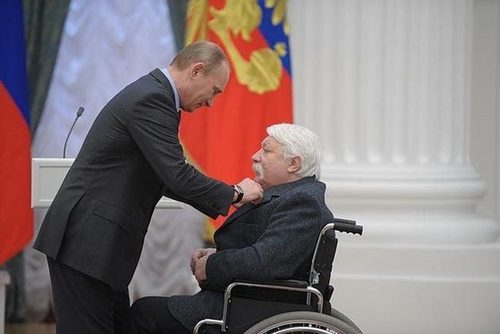
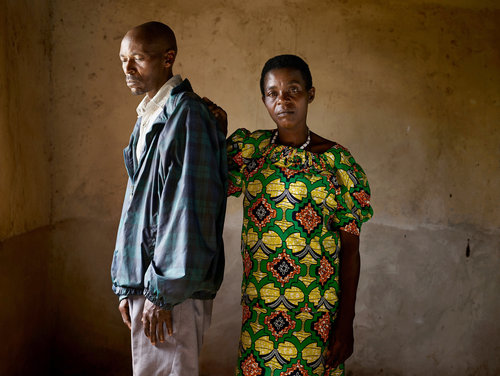
20 years after the genocide in Rwanda, these perpetrators and survivors are standing for forgiveness.

Seth Dixon‘s insight:

The idea behind these images is incredibly powerful and heartbreaking.  The horrific genocide turned neighbor against neighbor and tore communities and a country apart.  I can only imagine the pain for the individuals, but also the trauma inflicted on the national psyche. See also the White House’s official statement on the 20th anniversary of the genocide. 

Tags: Rwanda, political, conflict, refugees, Africa.

See on www.nytimes.com

Blog at WordPress.com.

Up ↑