Search

GEOGRAPHY EDUCATION

Supporting geography educators everywhere with current digital resources.

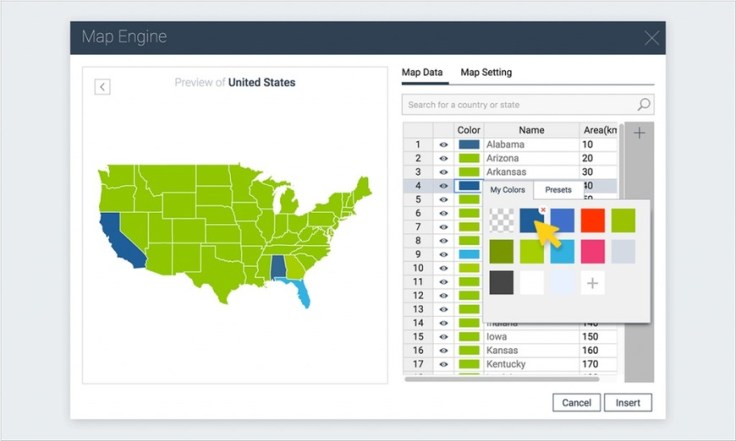
How to Create an Interactive Map with Visme

A step-by-step tutorial on how to create an interactive map with Visme, a free online infographic and presentation tool.

Source: blog.visme.co

If you have students use Piktochart to create infographics, then this is a new tool that you should consider.  In addition to creating infographics, this allows users to create and embed interactive maps in those infographics.  This is a both a baby-step into the world of GIS as well as a way to create student projects that are richly informative.


TagsAPHG, infographic, visualization, mapping, GIS, edtech.

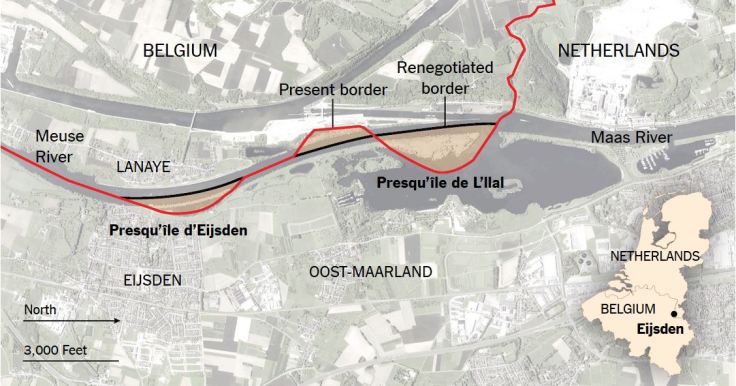
Belgium and the Netherlands Swap Land, and Remain Friends

The discovery of a headless corpse in the Netherlands helped Belgium and its bigger Dutch neighbor resolve a property squabble that began in 1961.


In a region that has long known geopolitical and linguistic squabbles, and where Belgium has lived in the shadow of its neighbor, the land swap was anything but inevitable. In 1961, when the Meuse was reconfigured to aid navigation, it had the side effect of pushing three pieces of land onto the wrong side of the river. The uninhabited area subsequently gained a reputation for lawlessness, wild parties and prostitution.


Tags: borders, political, territoriality, BelgiumNetherlands, unit 4 political, Europe.

Source: www.nytimes.com

Labor unrest in Cameroon after clashes over language discrimination

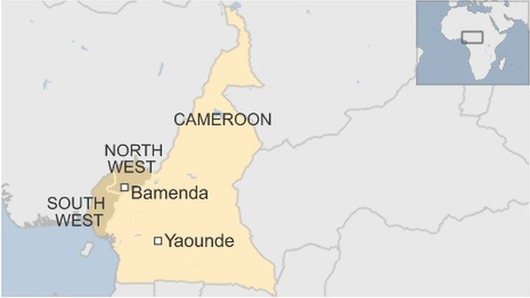
In Cameroon, unrest in minority English-speaking regions over discrimination by majority French speakers is still simmering after violent clashes with police claimed at least four lives.


English-speakers have been protesting since Monday (11/21/2016) against what they see as their “second-class citizen status” and attempts to marginalize them in the west African nation. Eight of Cameroon’s ten regions are largely Francophone, but two regions, North West and South West Cameroon are English-speaking. English-speaking teachers complain that French-speaking counterparts are being increasingly deployed in English schools, despite differences in the curricula and teaching systems.


Tags: language, CameroonAfrica, culture.

Source: www.dw.com

‘Crimetown’ podcasts on Providence No. 1 on iTunes charts

“Providence, once the heart of the New England mafia, was chosen for the first season. The approximately 17 to 20 episodes will follow the patterns of corruption in Rhode Island up through the banking crisis of RISDIC, the impeachment of a Supreme Court justice, and City Hall corruption in Operation Plunder Dome.”

Source: www.providencejournal.com

This is not just a fascinating local story of my new hometown; this is a riveting portrayal of the urban social geographies of organized crime, corruption, and the cosa nostra.  With only three episode to date, they with entertain and inform listeners with delving into the inner working of the mob (and just a heads up–the language will be crass and actual crimes will be discussed–don’t say I didn’t warn you).  To be honest, of course season one of Crimetown dad to been about Providence, and it is all the more compelling knowing the neighborhoods that are being shaped in this historical portrayal of Rhode Island.    


Tagsurban, crime, Rhode Island, neighborhood, socioeconomic, poverty, podcast.


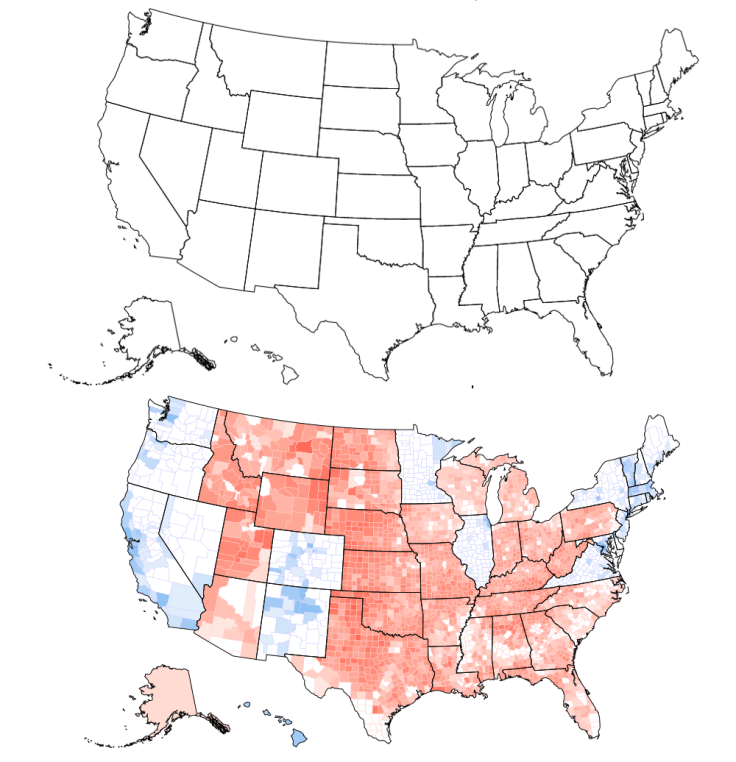
Clinton would have won if the United States looked like the top map

Can you tell what’s wrong with this map of the United States? I’ll give you a hint: Look near the Great Lakes and the Gulf of Mexico. Spot the problem yet? A further hint: Look at the border of Wisconsin and Illinois as well as the Florida Panhandle. See it now? The Wisconsin-Illinois border is slightly more southern and the Florida Panhandle is slightly shorter.

Source: medium.com

This mapping application is my favorite discovery after the 2016 U.S. Presidential Election.  The election was obviously very contentious and incredibly close, both in regard to the popular vote as well as the Electoral College.  Using this mapping application, you can re-divide the states of the union by shifting the counties around.  Using the voting patterns based on the county-level data, you can see how your proposed divisions would have impacted the 2016 presidential election. 

There have been many plans on how to divide the 50 states into various regional configurations (50 states of equal population, regions of economic interactions, cultural regions, and the Nine Nations of America), and this is another iteration of that age-old theme. While this isn’t an activity in gerrymandering in the strictest sense (this is not reapportioning within the state based on population change but between states), it shows just how gerrymandering works.  It takes 270 electoral votes to win the presidency, but you could make it a landslide (in either direction) if you manipulate the current state borders.  The highest electoral vote I could engineer for Donald Trump was 407, and the highest electoral total I could manufacture for Hillary Clinton was 402.  The point of this is to show that the balance within and among states can be far more delicate than we might presume.  Just a line here or a line there can dramatically alter the balance of power.        

Activity #1: Try to make this a landslide victory for the Republican Party.  How many electoral votes could you garner for the Republicans? Add a screenshot.

Activity #2: Try to make this a landslide victory for the Democratic Party.  How many electoral votes could you garner for the Democrats? Add a screenshot.

Activity #3: Try to tip the election to the Democrats with the most subtle, minor changes that might go under the radar. Explain your changes to the state map.  Add a screenshot.   


Tags: gerrymandering, political, mapping, census, unit 4 political, regionsNorth America.

11 Facts About Food Deserts

“Food insecurity has a high correlation with increased diabetes rates. In Chicago, the death rate from diabetes in a food desert is twice that of areas with access to grocery stores.”

Source: www.dosomething.org

Food deserts are places where residents have limited access to healthy food.  Here is a great map from the U.S. Dept. of Agriculture that shows low-income census tract that are more than one mile from supermarkets and rural areas that are more than 10 miles from the nearest supermarket.  Esri has also produced a food desert map that shows where unserved people (farther than 1 mile in urban/10 miles in rural) live in poverty.  For a household with a private automobile, distance to a supermarket isn’t that crucial an issue, but without an automobile, this lack of healthy food available becomes a significant challenge for residents that live in this neighborhood.  


Tags: food, urban, povertyplace, socioeconomic, food desert.

Bamenda protests: Mass arrests in Cameroon

Some 100 people are arrested after protests against using French in Cameroon’s English-speaking region.


Areas controlled by Britain and France joined to form Cameroon after the colonial powers withdrew in the 1960s. The country has 10 semi-autonomous administrative regions – eight are Francophone and use the French civil law. English-speakers have long complained that they face discrimination. They often complain that they are excluded from top civil service jobs and that government documents are often only published in French, even though English is also an official language. Bamenda is the founding place of Cameroon’s largest opposition political party, the Social Democratic Front.


Tags: language, colonialism, CameroonAfrica, culturepolitical, devolution.

Source: www.bbc.com

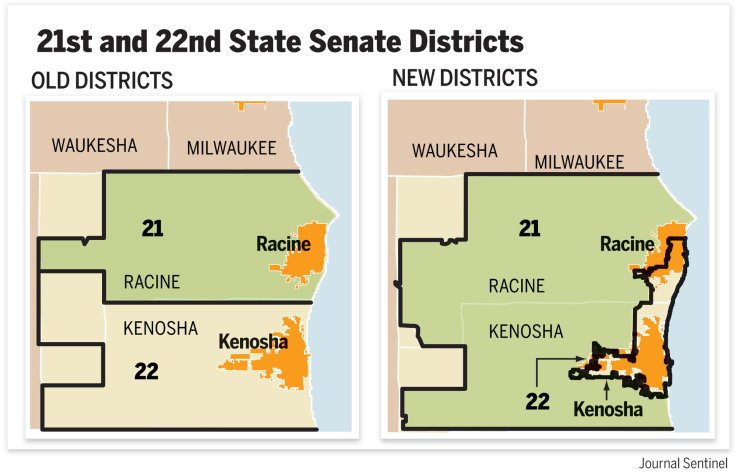
Judges Find Wisconsin Redistricting Unfairly Favored Republicans

A federal panel called the 2011 redrawing of Wisconsin Assembly districts an unconstitutional gerrymander, ruling in a case that could go to the Supreme Court.

Source: www.nytimes.com

The redistricting process is far from neutral; to be fair we should remember that gerrymandering has happened on all ends of the political spectrum, depending on who is charge during the redistricting process (after the decennial census).  Which map to you think is the best way to divide these districts?  What is the fairest way to divide them?

Tags: gerrymandering, political, mapping, census, unit 4 political.

After a Tornado, Greensburg, Kansas, Rebuilt Green. Was It Worth It?

A decade ago, a tornado wiped out the small town of Greensburg, Kansas. But the town decided to rebuild—as a totally green community. Ten years out, has the green rebuilding program been successful, and is this a model that might be used by other towns? Or is going green harder than it seems?

Source: www.slate.com

If you haven’t discovered the podcast “Placemakers” you are missing out.  The entire series centers around the challenges that confront different types of communities and the opportunities to improve the way things work. They present “stories about the spaces we inhabit and the people who shape them. Join us as we crisscross the country, introducing you to real people in real communities—people who make a difference in how we travel, work, and live. You’ll never look at your community the same way again.”  And yes, that sounds like a whole lot of applied geography to me.   


Tagsplace, tornado, weather and climate, planning, podcast.

Blog at WordPress.com.

Up ↑